
Influencer Marketing With Branded Merchandise: Trends Shaping Australian Business in 2026
Discover how Australian businesses are using branded merchandise with influencer marketing to boost reach, build trust, and drive real results in 2026.
Written by
Chloe Baptiste
Industry Trends & Stats
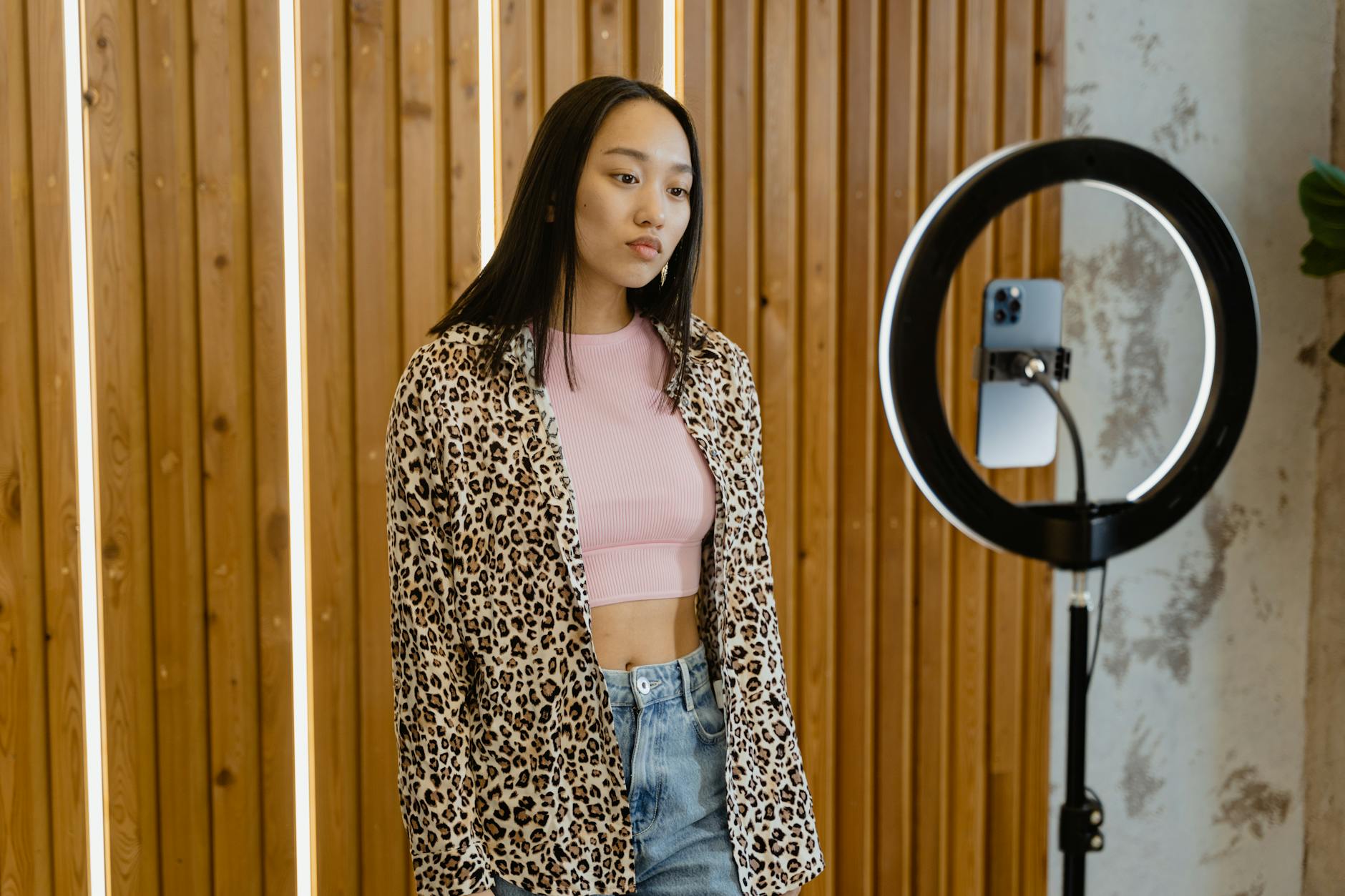
If you’ve noticed your favourite content creators unboxing custom-branded packages on Instagram or TikTok, you’ve already witnessed one of the most powerful shifts in modern marketing. Influencer marketing with branded merchandise trends is no longer a niche strategy reserved for global fashion labels — it’s becoming a mainstream tactic for Australian businesses of all sizes, from Sydney tech startups to Adelaide wellness brands and Melbourne-based event agencies. The combination of tangible, physical products and the authentic reach of content creators is proving to be a genuinely compelling way to cut through the noise in an increasingly saturated digital landscape. This guide breaks down exactly what’s happening, why it works, and how your organisation can make the most of it.
Why Branded Merchandise and Influencer Marketing Are a Natural Fit
At first glance, handing a physical product to a content creator might seem old-fashioned in the age of digital advertising. But that thinking misses something fundamental: people trust recommendations from real humans far more than they trust polished banner ads. When a Queensland lifestyle blogger receives a beautifully packaged set of branded water bottles and genuinely raves about them to 80,000 followers, that’s not advertising — that’s social proof with shelf life.
The physical nature of merchandise also creates something digital content simply cannot: a lasting impression. A branded item doesn’t disappear when someone scrolls past it. It sits on a desk, gets used at the gym, or accompanies someone on their commute. Every use is another touchpoint for your brand. This is precisely why influencer marketing campaigns that incorporate physical merchandise are consistently outperforming purely digital approaches in terms of engagement and brand recall.
Research tracking promotional drinkware industry statistics confirms that branded products have among the highest recall rates of any marketing medium — often exceeding digital display advertising by a significant margin. When that product also appears in an influencer’s content, that recall compounds dramatically.
The Influencer Marketing With Branded Merchandise Trends Defining 2026
Micro-Influencers and Hyper-Personalised Merch Packages
One of the most significant shifts in recent years is the move away from celebrity endorsements toward micro-influencers — creators with between 5,000 and 100,000 highly engaged followers. Australian businesses are increasingly partnering with these individuals because their audiences tend to be more loyal, more niche, and more likely to take action.
What makes this trend particularly interesting from a merchandise perspective is the expectation of personalisation. Generic branded pens or plain tote bags won’t cut it. Instead, savvy brands are investing in curated “gifting kits” — custom-assembled packages that feel thoughtful and premium. Think personalised wireless chargers for executive-level gifting, artisan-inspired packaging, handwritten notes, and products that genuinely align with the creator’s lifestyle or values.
A Melbourne fitness brand, for example, might send a micro-influencer a curated wellness pack featuring a branded keep cup, resistance bands with custom tags, and promotional essential oils — items that slot naturally into fitness and wellness content rather than feeling forced.
The Rise of “Merch Drops” as Brand Moments
Another major trend is the influencer-driven “merch drop” — a limited-release collection of branded products promoted exclusively through creator partnerships. This approach borrows from streetwear culture and creates genuine scarcity and excitement. Australian brands across fashion, food and beverage, sport, and tech are all experimenting with this model.
The key to a successful merch drop is product quality and authenticity. Influencer audiences are perceptive — they can tell when a product has been thrown together versus thoughtfully designed. This is where decoration method matters enormously. Direct to garment printing for small-batch custom t-shirts has made it far easier to produce limited runs without the high minimum order quantities that once made small merch drops cost-prohibitive.
Sustainability as a Core Brand Value
Australian consumers — and by extension, Australian content creators — are increasingly vocal about sustainability. Audiences are scrutinising brands and the products they associate with. This has pushed a meaningful segment of the influencer marketing world toward eco-friendly branded merchandise as the default, not the exception.
Partnering with influencers who champion environmental values works best when the merchandise itself reflects those values. Recycled marketing giveaways made from ocean plastic, bamboo, or post-consumer recycled materials send a coherent message. Brands operating in sectors like health, food, outdoor lifestyle, and government are particularly well-placed to leverage this angle — and it ties neatly into broader initiatives around green promotional products for Australian government departments and institutional procurement trends.
Unboxing Culture and the Importance of Packaging
If there’s one thing influencer marketing has taught branded merchandise, it’s that the unboxing experience is part of the product. Videos of creators opening carefully assembled brand packages regularly attract hundreds of thousands of views — and the packaging is just as important as what’s inside.
Custom tissue paper, branded ribbon, stamped boxes, personalised inserts — these details transform a simple merchandise shipment into a shareable moment. Businesses investing in influencer gifting campaigns should factor packaging design into their budget from the outset, not treat it as an afterthought.
Practical Considerations for Australian Businesses
Budgeting and Minimum Order Quantities
One common misconception is that influencer merchandise campaigns require enormous budgets. In reality, the economics can work quite well for small and mid-sized Australian businesses — provided you plan carefully.
For micro-influencer campaigns, you might be producing anywhere from 10 to 200 custom merchandise packages. This is where understanding minimum order quantities (MOQs) becomes critical. Some product categories — like embroidered caps or custom stubby holders — have relatively low MOQs and can be cost-effective for small runs. If you’re in regional New South Wales, for instance, sourcing custom merchandise in Bendigo or nearby regional suppliers can reduce freight costs and turnaround times.
For campaigns targeting a national influencer audience, or where the product needs to be shipped to creators across Sydney, Brisbane, and Perth simultaneously, factoring in freight, packaging, and turnaround time is essential. Most reputable suppliers in Australia can turn around standard orders within 10–15 business days, with express options available for time-sensitive campaigns.
Choosing the Right Products for Your Audience
The best influencer merchandise campaigns start with a deep understanding of who the influencer’s audience actually is — not just who the influencer is. Ask yourself: what does this community value? What would they genuinely use and show off?
For corporate B2B brands targeting professional audiences, personalised wireless chargers and premium custom screen cleaners for corporate gifts can feel sophisticated and useful. For outdoor and lifestyle brands, custom outdoor games for camping and caravan shows or adventure-ready drinkware might land far better. For event-focused campaigns, consider what products create a shareable moment — promotional giveaways for awards ceremonies and branded event merchandise have proven consistently strong in this regard.
Staying across promotional drinkware trends in Australia is also worthwhile, given how consistently drinkware performs as a gifting category across all demographics and sectors.
Decoration Methods Matter More Than You Think
How your logo or brand message is applied to the product affects not just aesthetics but durability and the overall perception of quality. Influencer content is often high-resolution and well-lit — any imperfections in decoration will be visible.
For apparel, embroidery reads as premium and lasts through repeated washing. Screen printing delivers bold, vibrant results for t-shirts and totes. Digital printing for promotional products is ideal when you need photographic-quality imagery or intricate designs across a range of products. Laser engraving on drinkware and tech accessories offers a tactile, upscale finish that photographs beautifully.
Always request samples before committing to a large influencer campaign run. Most Australian suppliers offer this, and it’s worth the small upfront cost to ensure the product and decoration match your expectations before it ends up on camera.
Leveraging Events and Seasonal Campaigns
Influencer merchandise campaigns don’t have to be standalone initiatives — they can be layered into event strategies, seasonal campaigns, or product launches. A Gold Coast events agency might combine a summer product launch with influencer gifting packs that include seasonal merchandise. A Canberra-based organisation running a conference might send branded packs to key industry voices ahead of the event.
Promotional products available online in Australia have made sourcing faster and more transparent, and businesses can often manage entire campaigns — from brief to delivery — without leaving the office. Understanding the request for quote process for promotional product tenders is also valuable if your organisation works within procurement frameworks.
Measuring Success in Influencer Merchandise Campaigns
Unlike digital ads with immediate click-through data, influencer merchandise campaigns require a slightly different measurement framework. Key metrics to track include:
- Organic reach and impressions generated by influencer posts featuring the product
- Engagement rate (comments, shares, saves) on influencer content
- Branded hashtag usage and user-generated content sparked by the campaign
- Website traffic spikes correlated with influencer posting dates
- Direct referral codes or URLs embedded in influencer content
It’s also worth tracking longer-term brand sentiment — whether the association with certain creators is shifting how your audience perceives your brand over time.
Key Takeaways
As influencer marketing with branded merchandise trends continues to evolve in Australia, businesses that approach it strategically — with the right products, the right creators, and genuine attention to quality — will see compelling returns. Here’s what to carry forward:
- Personalisation is non-negotiable. Generic merchandise won’t perform in influencer campaigns. Curate packages that reflect both your brand values and the creator’s aesthetic.
- Sustainability matters to audiences. Choose eco-friendly and recycled merchandise wherever possible to align with growing consumer expectations.
- Packaging is part of the product. Invest in unboxing presentation — it’s what turns a gifted item into shareable content.
- Micro-influencers often outperform celebrities. Niche, engaged audiences drive better results than raw follower counts for most Australian businesses.
- Plan for lead times and MOQs early. Quality branded merchandise takes time to produce. Build your campaign timeline around realistic production and delivery windows, not the other way around.
The intersection of physical branded products and digital creator culture is one of the most exciting spaces in modern marketing — and Australian businesses are only beginning to tap its full potential.