
How to Build a Smart Promotion Warehouse Strategy for Your Business
Learn how to set up an effective promotion warehouse system for branded merchandise — practical tips for Australian businesses and event teams.

Written by
Ethan Kowalski
Corporate Gifts
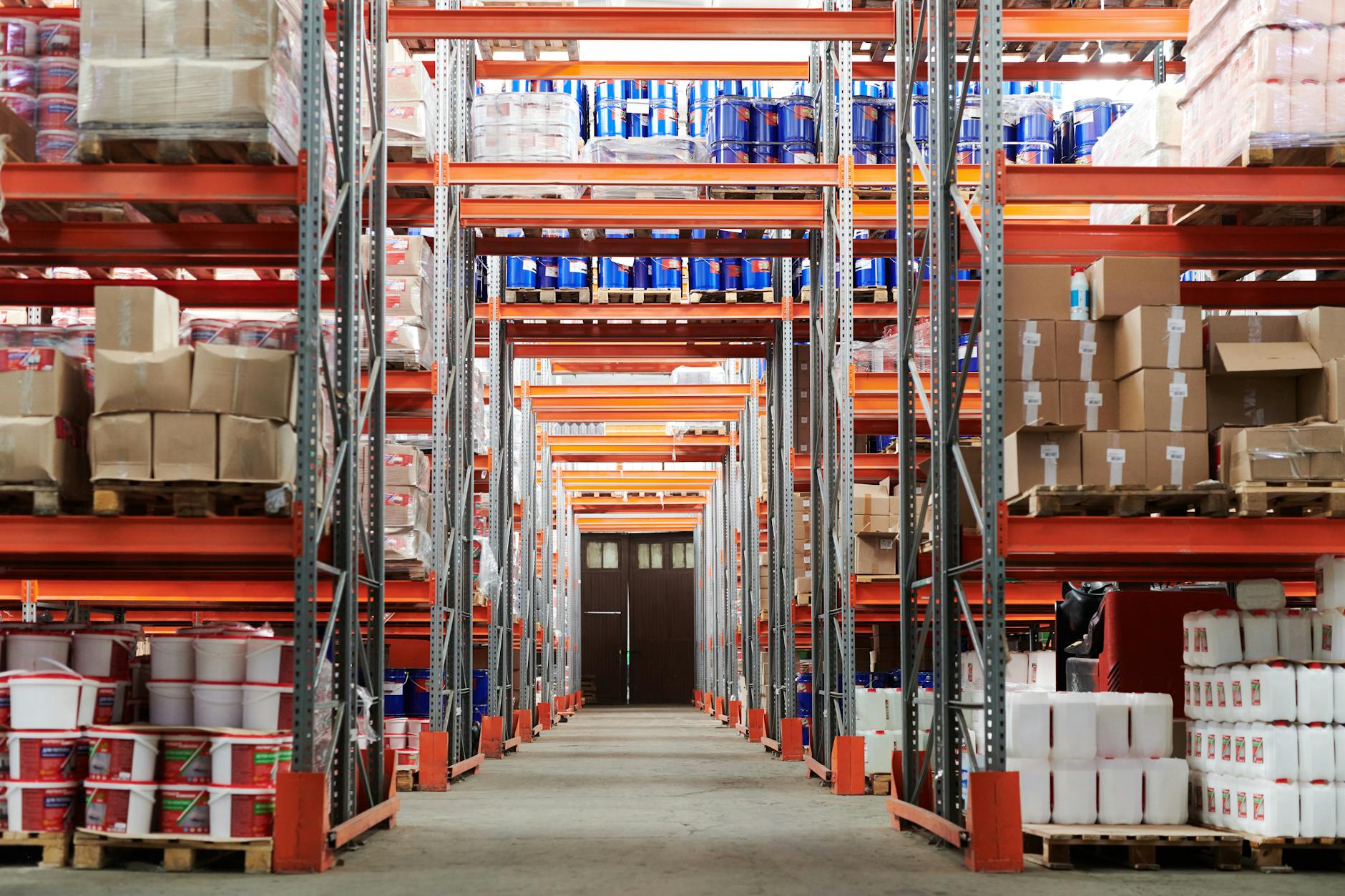
If you’ve ever scrambled to find branded merchandise a week before a major conference, or discovered a stockroom full of outdated logo pens that nobody wants, you already understand why a smart promotion warehouse strategy matters. Managing promotional products isn’t just about ordering in bulk and hoping for the best — it’s about having the right items, in the right quantities, ready to deploy at the right moment. For Australian businesses, corporate teams, and event organisers, getting this right can mean the difference between a polished brand impression and a costly, chaotic mess.
What Is a Promotion Warehouse and Why Does It Matter?
A promotion warehouse, in its simplest form, is a dedicated storage and fulfilment system for your branded merchandise and corporate gifts. It might be a physical space — a spare room, a storage unit, or a third-party fulfilment centre — or it might be a managed service offered by a promotional products supplier who holds your stock and dispatches it on demand.
For large organisations, such as a national retail chain or a government department with offices across Sydney, Melbourne, Brisbane, and Perth, a promotion warehouse solution allows consistent brand rollout without each location independently sourcing its own merchandise. For smaller businesses or event teams, even a modest, well-organised approach to managing promotional stock can dramatically improve efficiency and reduce waste.
The core benefit is control. When you have a centralised approach to your promotional products — whether that’s branded water bottles, custom apparel, or corporate gift sets — you control quality, consistency, and spend. You stop over-ordering because you’re not sure what you have, and you stop under-ordering because you waited too long.
The Cost of Getting It Wrong
Poor merchandise management is surprisingly expensive. Organisations routinely spend money on rush orders (which attract significant premiums), duplicate purchases because nobody checked existing stock, and disposal costs for unused items that have become irrelevant due to a rebrand or event cancellation. A well-structured promotion warehouse system eliminates most of these costs before they arise.
Key Elements of an Effective Promotion Warehouse System
Building a smart promotional merchandise operation doesn’t happen overnight, but it doesn’t have to be overwhelmingly complex either. The most effective systems share a handful of common elements.
1. A Curated Core Product Range
The foundation of any good promotion warehouse is a carefully selected core range of products that represent your brand well across multiple use cases. Rather than stocking dozens of different items, most businesses benefit from focusing on five to ten reliable products that cover the major bases: branded apparel, drinkware, bags, stationery, and tech accessories.
For example, a Melbourne-based financial services firm might maintain ongoing stock of embroidered polo shirts, branded water bottles with their logo, custom tote bags for client handouts, and a quality branded notebook. These items work across client meetings, staff onboarding, events, and community sponsorships without requiring constant reordering. Speaking of notebooks, if you’re sourcing them in Queensland, this guide to promotional notebooks in Brisbane covers everything from MOQs to decoration options.
When selecting your core range, prioritise products with staying power. Eco-friendly items, for instance, have become increasingly valuable as corporate sustainability commitments grow. Recycled marketing giveaways are a strong choice for businesses wanting merchandise that aligns with modern values and won’t feel dated in two years.
2. Reliable Reorder Triggers
One of the most common mistakes organisations make is waiting until stock runs out before placing a new order. This creates exactly the kind of last-minute pressure that leads to poor decisions and inflated costs.
Set reorder points for every product in your promotion warehouse. These are the minimum stock levels that trigger a new purchase order — ideally giving you enough lead time to allow for standard production and delivery rather than paying rush premiums. For custom embroidered apparel, for instance, you’ll generally want to allow three to four weeks. Screen printed items often have shorter turnarounds, but still require time for artwork approval, production, and freight. Understanding how print onto t-shirt processes work will help you build realistic lead times into your reorder planning.
3. Inventory Tracking
Even a simple spreadsheet beats trying to manage promotion warehouse stock from memory. At minimum, track the following for each product: current quantity on hand, reorder point, lead time, last order date, and cost per unit.
Larger organisations may want to invest in proper inventory management software, particularly if they’re managing merchandise across multiple locations or running a managed merchandise programme for staff or franchisees. Some promotional product suppliers offer web-to-print portals and fulfilment services that handle the tracking for you, which is worth exploring if your needs are complex.
4. Seasonal Planning
Australian businesses have a distinct promotional calendar that should inform your promotion warehouse strategy. Think about when your demand spikes — are you a company that heavily sponsors sporting events? Do you run a major annual conference? Do you participate in trade shows in the first quarter?
Planning ahead for seasonal peaks means you can take advantage of bulk pricing, avoid the rush, and ensure your items are decorated and ready well in advance. Promotional giveaways for awards ceremonies often need to be ordered months out, particularly if you want custom packaging or high-end items like laser-engraved trophies or gift sets.
Don’t overlook seasonal novelties either — Santa hats and other end-of-year branded items sell out fast if you’re ordering from a popular supplier during the December rush.
Choosing the Right Products for Your Promotion Warehouse
The products you hold in stock should earn their place. Every item should have a clear purpose and a realistic demand forecast. Here are some high-performing product categories to consider for Australian businesses.
Drinkware
Branded drinkware consistently ranks among the most retained and most appreciated promotional products. Whether it’s promotional drinkware trends in Australia you’re tracking or reviewing industry statistics on promotional drinkware to justify your investment, the data makes a compelling case. Keep cups, stainless steel bottles, and insulated tumblers are all excellent warehouse staples.
Bags and Totes
Bags are versatile, high-visibility, and appreciated across virtually every audience. Promo shopping bags work brilliantly for retail and event contexts, while travel duffel bags suit corporate gifts and sporting sponsorships. The key is matching the product to the audience — a lightweight tote is ideal for a conference; a robust duffel makes sense for a sporting club or wellness program.
Tech Accessories
Tech products are popular corporate gifts, particularly for professional and executive audiences. Personalised wireless chargers are an excellent premium option, and pulse chargers offer a practical, on-trend alternative for staff and client gifts. Holding a small quantity of these in your promotion warehouse ensures you’re never caught without a quality gift option for unexpected VIP visits or last-minute recognition needs.
Specialty and Wellness Items
As corporate wellness becomes a bigger priority, more organisations are incorporating wellness-focused merchandise into their ranges. Promotional essential oils for corporate wellness programs and quick-dry towels are examples of items that resonate well in health-conscious workplace cultures.
Managing Your Promotion Warehouse Budget
Budgeting for branded merchandise often trips up even experienced marketing managers. The unit cost of a product is only part of the equation — you also need to account for decoration setup fees, freight, storage, and the cost of stock that doesn’t move.
If you’re navigating a formal procurement process, understanding the request for quote process for promotional product tenders is essential. Government departments, councils, and larger corporates in cities like Canberra and Adelaide frequently require formal tender documentation before engaging a supplier.
For smaller businesses or those just starting out, browsing promotional products online in Australia is a practical starting point for understanding pricing and options before committing to a managed warehouse approach. And if you’re operating in regional areas, don’t assume your options are limited — suppliers like those discussed in our guide to promotional products for businesses in Broome demonstrate that great branded merchandise is accessible Australia-wide.
It’s also worth factoring sustainability into your budget thinking. Recycled cardboard branded packaging for e-commerce is one area where upfront costs can be offset by brand perception benefits and reduced waste over time.
Safety and Specialist Stock
Some industries need to maintain specialist promotional stock alongside standard branded merchandise. Construction companies, councils, and healthcare organisations, for instance, may need to keep promotional first aid kits in Melbourne or similar items for community engagement activities. These sit outside the typical corporate gift category but are absolutely relevant to a promotion warehouse strategy for the right organisations.
Similarly, businesses involved in community partnerships or sports sponsorships might find value in less obvious products — like promotional garden tools for sports sponsorships, which can be a distinctive and memorable alternative to the standard cap-and-t-shirt combination.
Conclusion: Building a Smarter Promotion Warehouse
A well-run promotion warehouse strategy doesn’t require enormous resources — it requires clarity, planning, and the right product selection. Whether you’re managing merchandise for a 10-person startup in Hobart or coordinating branded gifts across a national network with offices from Darwin to Brisbane, the principles remain the same.
Key takeaways:
- Start with a curated core range of five to ten high-performing products that serve multiple use cases, rather than stocking a sprawling variety of one-off items
- Set reorder triggers for every product and build realistic lead times into your planning, accounting for decoration, production, and freight
- Track your inventory with at minimum a simple spreadsheet, or invest in proper management tools if you’re running a complex or multi-site operation
- Plan seasonally to take advantage of bulk pricing, avoid rush fees, and ensure stock is ready for your key events and campaigns
- Align products with purpose — every item in your promotion warehouse should have a clear audience, a clear use case, and a measurable contribution to your brand goals
Get these fundamentals right, and your promotion warehouse becomes a genuine strategic asset rather than a cost centre you’d rather not think about.