
Designer Caps for Businesses: How to Choose, Customise and Order Branded Headwear
Discover how Australian businesses and event organisers can choose, brand, and order designer caps that make a lasting impression.

Written by
Kai Williams
Custom Apparel
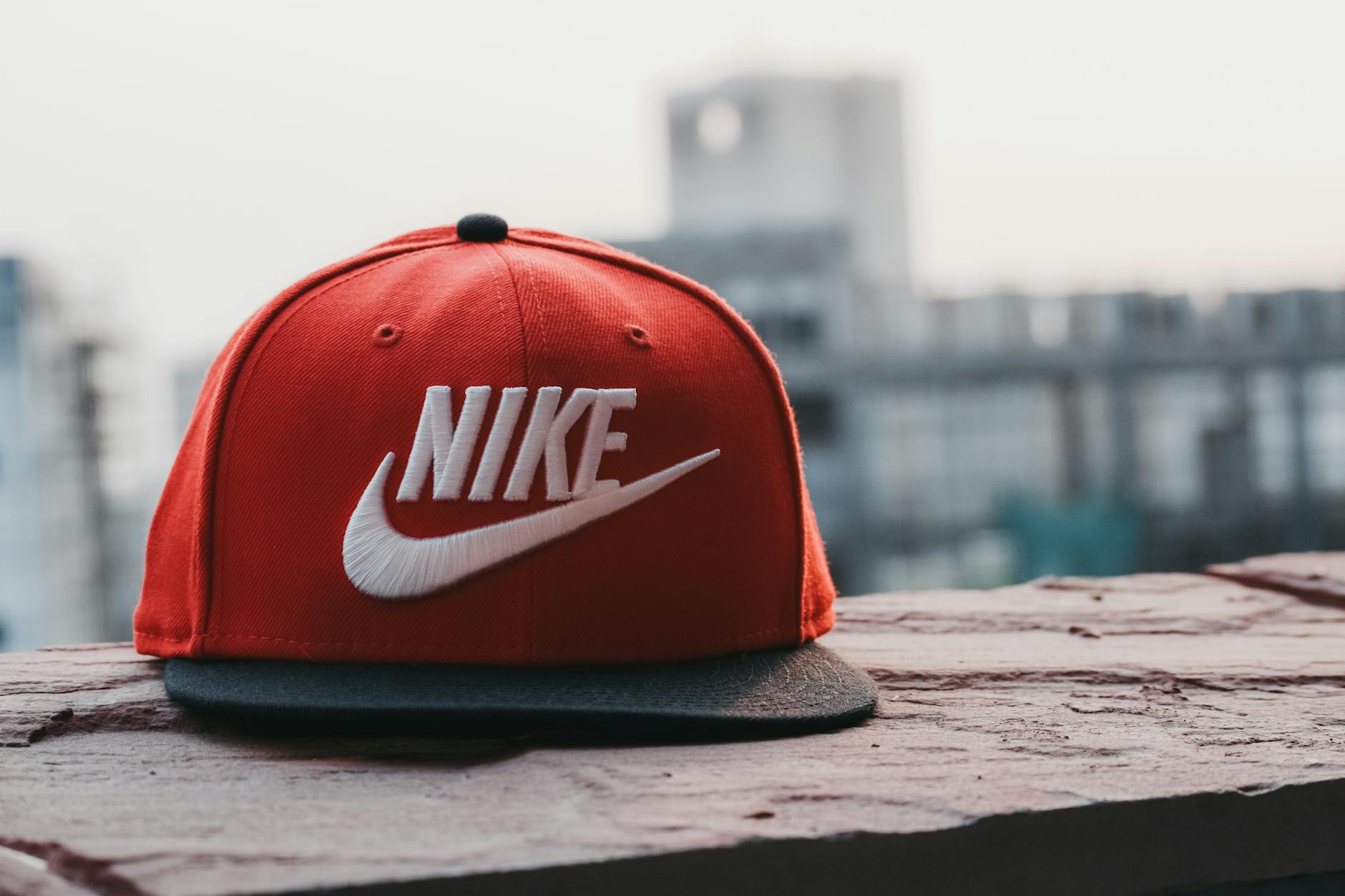
Choosing the right headwear for your brand is about more than just slapping a logo on a hat. Designer caps represent one of the most visible, wearable, and long-lasting promotional items available to Australian businesses, corporate teams, and event organisers. Whether you’re kitting out staff at a Gold Coast trade show, preparing merchandise for a Sydney corporate golf day, or building brand recognition across a dispersed Perth workforce, a well-designed, quality cap delivers impressions every single time it’s worn. But with so many styles, materials, decoration methods, and suppliers to navigate, ordering branded headwear can feel surprisingly complex. This guide breaks it all down — so you can order with confidence.
What Makes a Cap a “Designer” Cap?
The term “designer caps” doesn’t necessarily mean luxury price tags or fashion-house labels. In the branded merchandise world, it refers to caps that are thoughtfully designed — chosen for quality construction, considered style, and branding execution that looks intentional and professional rather than an afterthought.
A designer-level outcome comes from the combination of three elements: a quality base cap, a decoration method that suits both the product and the artwork, and a design that’s been properly prepared for the decoration process. When all three align, you end up with a cap that recipients actually want to wear — not one that ends up in the back of a drawer.
Style Matters More Than You Think
Cap styles vary enormously. The most popular formats in the Australian market include:
- Structured six-panel caps — The classic, most recognisable silhouette. Holds its shape well and works across most branding styles.
- Unstructured dad caps — Lower profile, softer crown. Popular with lifestyle brands, creative agencies, and youth-focused campaigns.
- Five-panel caps — Contemporary look with a flat front panel, ideal for bold logo placement.
- Trucker caps — Foam front with mesh back. Excellent for outdoor events, tradies, and casual brand activations.
- Bucket hats — All-around brim, making a strong comeback as a promotional favourite for outdoor events and festivals.
- Snapback caps — Flat brim and adjustable snap closure. Associated with streetwear aesthetics, popular for events targeting younger audiences.
The style you choose should reflect your brand personality and the context in which the caps will be worn. A law firm in Melbourne distributing caps at a charity golf day will likely choose something quite different from a Brisbane surf brand activating at a music festival.
Decoration Methods for Designer Caps
The way your logo and branding are applied to the cap has a dramatic impact on the final result. Each decoration method has its strengths, limitations, and ideal use cases.
Embroidery
Embroidery is widely regarded as the premium choice for branded caps. The raised, textured finish gives a high-quality, professional appearance that works especially well on structured caps with a firm front panel. It’s durable, colour-fast, and holds up to repeated washing — making it ideal for staff uniforms and long-term brand visibility.
The key consideration with embroidery is that highly detailed or very small artwork doesn’t always translate well. Very fine lines, gradients, and complex illustrations can be difficult to reproduce accurately in thread. If your logo is detailed, your artwork may need simplification before it can be embroidered effectively. Most suppliers will provide a digital stitch preview (often called a DST or EMB file mockup) so you can see exactly how your design will look before production begins.
Screen Printing
Screen printing on caps is typically applied to the front panel or brim. It works well for bold, simple designs with solid fill colours. If you’re ordering a large batch for a one-off event — say, a Canberra government conference or an Adelaide corporate away day — screen printing can offer a cost-effective solution at higher quantities.
Heat Transfer and Sublimation
Sublimation is best suited to caps made from polyester fabric, enabling full-colour, edge-to-edge decoration. This is particularly popular for sports caps and performance headwear. Sublimated caps can feature photographic-quality imagery and complex colour gradients that simply aren’t achievable through other methods.
Heat transfer labels are another option, particularly for adding branding to niche areas of the cap such as the side panel, underbill, or strap — turning a cap into a more premium, fully branded product.
Patch Application
Woven or leather patches applied to the front of a cap are a popular choice for brands going for a heritage or lifestyle aesthetic. Patches can be sewn or heat-applied, and they offer a distinctive textural element that makes caps feel genuinely premium.
Choosing the Right Cap for Your Audience
Getting this right is critical. You want recipients to actually wear the cap — because every time they do, your brand is visible. Think about:
- Fit and comfort — Look for caps with adjustable closures (snapback, Velcro, or strapback) to accommodate a wide range of head sizes. This matters especially when ordering for large groups.
- Fabric and climate — In Darwin or Cairns, lightweight, breathable fabrics are essential. In Melbourne or Hobart, a heavier cotton twill might be more appreciated.
- Colour options — Select colourways that work with your brand palette. Most quality cap suppliers offer PMS colour matching on the cap fabric itself for larger orders, ensuring your branded headwear sits perfectly within your visual identity.
- Gender inclusivity — Many cap styles now come in low-profile options that work better across diverse head shapes and sizes.
If you’re ordering alongside other branded items like branded water bottles or personalised travel mugs, you want your headwear to sit cohesively within the broader merchandise suite.
Ordering Designer Caps: Practical Considerations
Minimum Order Quantities
Most cap suppliers in Australia have minimum order quantities (MOQs) ranging from 12 to 50 units depending on the style and decoration method. Embroidery tends to have lower MOQs because the setup process is more flexible. Screen printing and sublimation typically require higher minimums to make the setup costs economical. If you’re ordering very small quantities, some suppliers offer a small-batch premium or direct-to-garment alternatives.
Turnaround Times
Caps are generally not a fast-turnaround product, particularly for quality embroidered styles. Standard production typically runs 10 to 15 business days after artwork approval, with longer lead times for complex decoration, international sourcing, or large volumes. If you have a firm event deadline, build this into your planning timeline from day one. For a deeper look at managing timelines, our guide to turnaround time expectations for custom printed merchandise covers this in detail.
Artwork Requirements
For embroidery, your artwork will need to be converted into a stitch file — a process called digitising. This is usually handled by the supplier’s in-house team, but it may incur a one-off setup fee. For print-based methods, you’ll typically need vector artwork (AI, EPS, or PDF format) at the correct size and colour specifications.
Budgeting Realistically
Designer caps sit at various price points. Basic cotton caps with embroidery in reasonable volumes might start from around $8 to $15 per unit. Premium structured caps with multi-colour embroidery, woven patches, or sublimation can range from $20 to $40+ per unit at similar quantities. Factor in decoration setup fees, which can range from $50 to $150+ depending on the complexity and method. If you’re newer to the ordering process, our overview of promotional products online in Australia is a useful starting point.
Designer Caps for Different Sectors
Different organisations use branded caps in very different ways:
- Corporate teams use them as staff uniform pieces, particularly for outdoor roles, site visits, or client-facing events.
- Event organisers distribute caps as part of merchandise packs at conferences, expos, or activations — often alongside items like branded shopping bags or quick-dry towels.
- Sporting clubs and associations use caps for game day, coaching staff uniforms, or merchandise sales. Pairing caps with wholesale custom t-shirts creates a cohesive team look.
- Charities and NFPs use caps at community events and fundraisers, often selecting eco-friendly options. If sustainability is a priority, check out our guide to recycled marketing giveaways in Australia.
- Golf events and sponsorships represent a particularly strong use case — a quality embroidered cap is practically expected. Similarly, those exploring event merchandise bundles might also look at a TaylorMade golf bag or duffel travel bags for premium prize packages.
For organisations managing larger procurement and tender processes, understanding the request for quote process for promotional product tenders can make a significant difference to outcomes.
Tips for Getting the Best Result
- Request a sample before committing to large volumes. Most reputable suppliers can provide a pre-production sample in your chosen style and colour.
- Simplify your artwork for embroidery — bold, clean logos with fewer colours will always reproduce more effectively than intricate designs.
- Consider the underbill colour — a contrast-colour underbill (e.g. green or red underneath a navy cap) is a subtle but effective branding touch that elevates the overall look.
- Don’t overlook the back panel — many organisations miss the opportunity to add a secondary logo, tagline, or website URL to the adjustable strap or rear panel.
- Pair with complementary items — caps as part of a broader merchandise bundle land better than caps alone. Think about pairing with promotional notebooks, pulse chargers, or even promotional giveaways for awards ceremonies.
For those interested in expanding their merchandise strategy beyond caps, our guide to unique promotional products is worth exploring.
Conclusion
Designer caps are one of the most effective branded merchandise investments available to Australian businesses and event organisers. When chosen thoughtfully and produced to a high standard, they create lasting brand visibility in genuinely everyday moments — commutes, outdoor events, weekends. The key is approaching the process with the same care you’d give to any other brand touchpoint.
Here are the key takeaways:
- Style and context should drive your cap selection — match the aesthetic to your brand and the occasion.
- Decoration method significantly affects quality — embroidery remains the gold standard for most corporate applications, while sublimation opens up creative possibilities for sports and events.
- Artwork preparation matters — invest time upfront in getting your logo ready for the chosen decoration method.
- Plan for lead times — quality branded caps rarely happen overnight; build production time into your event planning calendar.
- Think holistically — designer caps work best as part of a coordinated merchandise strategy, not as a standalone item.