
How to Order Wholesale Custom T-Shirts in Australia: The Complete Buying Guide
Everything Australian businesses and event organisers need to know about ordering wholesale custom t-shirts, from MOQs to decoration methods.

Written by
Ruby Ahmed
Buying Guides & Tips
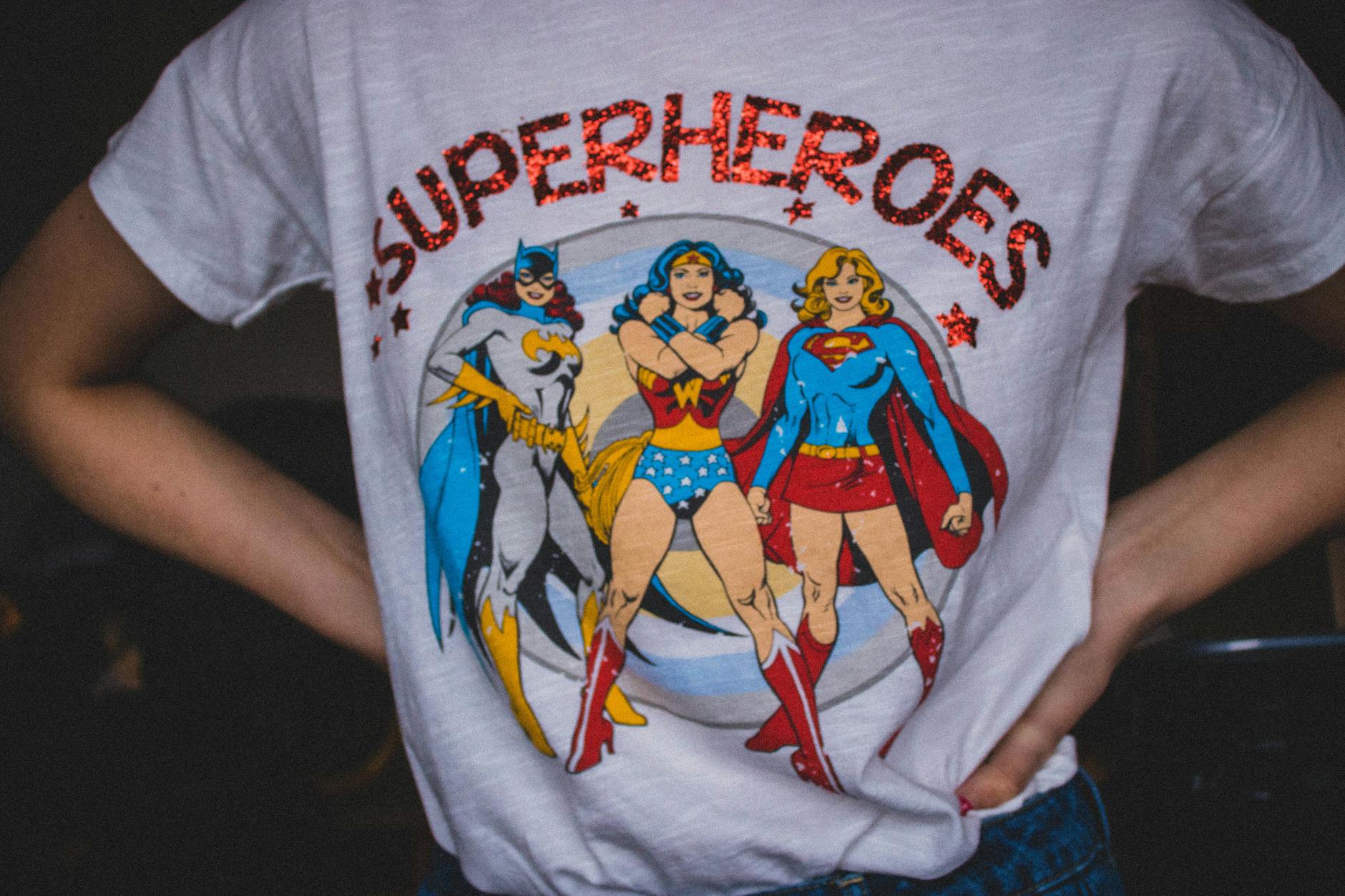
When it comes to building brand visibility, few products deliver the impact of a well-designed custom t-shirt. Whether you’re kitting out a corporate team in Sydney, preparing merchandise for a Brisbane conference, or organising uniforms for a Melbourne community event, wholesale custom t-shirts in Australia offer an unbeatable combination of affordability, versatility, and reach. But navigating the ordering process — from choosing the right fabric to locking in your artwork — can feel overwhelming if you haven’t done it before. This guide walks you through everything you need to know to order with confidence, avoid common pitfalls, and get results that genuinely reflect your brand.
Why Wholesale Custom T-Shirts Are a Staple for Australian Organisations
The humble t-shirt has earned its place as the cornerstone of branded merchandise for good reason. It’s a product people actually wear. Unlike a branded pen that lives in a drawer or a stress ball that ends up in the bin, a quality custom t-shirt gets repeated use — and with it, repeated brand exposure.
For corporate teams, t-shirts create a sense of unity and professionalism without the formality of collared shirts or workwear. For event organisers, they double as both a logistical tool (staff identification) and a revenue stream (merchandise sales). For trade shows and expos, they turn every team member into a walking advertisement across a crowded exhibition floor.
Ordering at wholesale quantities amplifies all of these benefits. When you buy in bulk, your per-unit cost drops significantly — often dramatically. A t-shirt that might cost $25–$35 at retail could come down to $8–$15 per unit when ordered wholesale, depending on fabric, decoration method, and quantity. That’s a meaningful saving when you’re ordering for 50, 100, or 500 people.
It’s also worth understanding that custom t-shirts don’t exist in isolation within a merchandise strategy. Many organisations pair them with branded water bottles, personalised travel mugs, or custom notebooks to create cohesive gift packs or event packages.
Understanding Minimum Order Quantities (MOQs) in Australia
Before you get too far into the planning process, MOQs are one of the most important variables to understand. Minimum order quantities for wholesale custom t-shirts in Australia typically start at around 20–25 units per design and colourway when screen printing is involved. Digital printing often has lower MOQs — sometimes as few as 5 to 10 pieces — but the per-unit price will be noticeably higher.
Here’s a rough breakdown of what you can expect:
Screen Printing
- MOQ: 20–50 units (varies by supplier)
- Best for: Simple designs with 1–4 colours, large runs, consistent branding
- Setup fees: Usually $30–$60 per colour per screen
- Price advantage: Extremely cost-effective at higher volumes (100+ units)
Embroidery
- MOQ: 12–25 units
- Best for: Corporate logos, polo shirts, caps, premium feel
- Setup fees: Digitising fee of $50–$100 (usually a one-off cost)
- Price advantage: Durable, professional finish — ideal for long-term uniforms
Direct-to-Garment (DTG) Printing
- MOQ: As low as 1–5 units
- Best for: Full-colour photographic designs, small runs, prototypes
- Price advantage: No setup fees, great for short runs but cost per unit remains higher at scale
Heat Transfer and Sublimation
- MOQ: Varies widely; sublimation requires 100% polyester garments
- Best for: All-over prints, sportswear, vibrant colour reproduction
- Price advantage: Excellent for activewear, sports clubs, and performance gear
For most corporate and event use cases, screen printing at 50–200+ units offers the best cost-per-unit outcome. If you’re unsure which method suits your artwork, our guide to turnaround times for custom printed merchandise also covers how decoration method affects production timelines.
Choosing the Right T-Shirt Blank for Your Needs
The quality of your finished product starts with the blank garment — and there’s a lot of variation out there. When ordering wholesale custom t-shirts in Australia, you’ll typically encounter a few key fabric categories:
100% Cotton: Breathable, comfortable, and ideal for screen printing. A solid choice for general corporate use, events, and casual branded merchandise. Look for a weight of 180gsm–200gsm for a quality mid-weight feel.
Cotton/Polyester Blends: These blends (often 65% cotton / 35% polyester) offer improved durability and moisture-wicking properties. They’re popular for trade show staff, outdoor events, and organisations that want garments that hold their shape over time.
Performance/Polyester: Essential for sports, activewear, and any scenario where moisture management matters. If you’re working with a sporting club or planning an active event, all-polyester fabrics paired with sublimation printing produce outstanding results.
Bamboo and Organic Cotton: Growing in demand as organisations across Australia prioritise sustainability. These options carry a higher price point but align well with eco-conscious branding. For more on sustainable merchandise choices, see our overview of recycled marketing giveaways in Australia.
When specifying your garment, always request sizing charts from your supplier. Australian sizing conventions can differ slightly from US or European blanks, so confirming measurements before placing a wholesale order prevents costly returns and reprints.
Artwork Requirements: Getting Your Files Right the First Time
One of the most avoidable sources of delays in wholesale custom t-shirt orders is artwork that isn’t print-ready. Here’s what most reputable Australian suppliers will require:
- Vector files (AI, EPS, or PDF) for screen printing and embroidery — these are resolution-independent and can be scaled without quality loss
- High-resolution raster files (300 DPI minimum at print size) for DTG and heat transfer
- PMS colour codes if exact colour matching is critical for your brand
- Separated files for screen printing if your design has multiple colours
If you’re working from a JPEG logo pulled off your website, you’ll likely need your artwork redrawn by a graphic designer before your supplier can proceed. Many suppliers offer this service for a small fee, but it’s worth factoring into your budget and timeline.
Budgeting for a Wholesale Custom T-Shirt Order
A realistic budget for wholesale custom t-shirts in Australia should account for more than just the per-unit garment price. Here’s a checklist of costs to consider:
- Garment cost – varies by blank quality, fabric type, and quantity
- Decoration setup fees – screen setup, digitising fees, or artwork service charges
- Freight and delivery – can be significant for orders shipping to regional areas like Broome or Darwin; check if your supplier ships nationally
- Samples – requesting a pre-production sample (usually $30–$80) is highly recommended for large orders
- Artwork preparation – if your files aren’t print-ready
- GST – all pricing in Australia includes GST, so confirm whether quotes are inclusive or exclusive
For orders over 100 units, don’t hesitate to negotiate. Most Australian wholesale t-shirt suppliers have pricing flexibility at higher quantities, and asking for a tiered quote (e.g., pricing at 100, 200, and 500 units) helps you understand exactly where the savings kick in.
Speaking of broader merchandise planning — if your organisation is running an event or tender process and needs to manage multiple product categories simultaneously, our guide to the request for quote process for promotional product tenders is a useful resource.
Practical Tips for a Smooth Ordering Experience
Ordering wholesale custom t-shirts in Australia is a process with several moving parts. These practical tips will help you avoid the most common headaches:
Plan Your Timeline Carefully
Standard turnaround for screen-printed wholesale t-shirts in Australia is typically 10–15 business days after artwork approval. Rush orders are possible — sometimes in as few as 5–7 business days — but attract a premium. If your event has a hard deadline, always add buffer time. You can read more in our detailed post on turnaround time expectations for custom printed merchandise.
Order a Size Breakdown, Not Just a Total
Rather than ordering 100 t-shirts in one size, work with your audience. A typical corporate order might run 10% S, 25% M, 30% L, 25% XL, 10% XXL — but this varies. Survey your team beforehand if possible.
Request a Digital Proof Before Approval
Any reputable supplier will provide a digital proof showing your design placed on the garment. Review this carefully for colour accuracy, placement, and sizing before signing off.
Consider Your Full Merchandise Mix
T-shirts often work best as part of a broader branded package. Consider pairing them with branded shopping bags, quick-dry towels, or promotional products sourced online to create a more complete brand experience.
Don’t Overlook Unique Product Options
If your audience expects something beyond the standard crew-neck tee, explore alternatives. Long-sleeved styles, performance cuts, women’s-specific fits, and even limited-edition seasonal designs (think a Santa hat pairing for a Christmas campaign) can make your merchandise far more memorable. For inspiration beyond the basics, explore unique promotional product ideas that set your brand apart.
Wholesale Custom T-Shirts in Australia: Finding the Right Supplier
When evaluating suppliers, look for:
- National shipping capability — can they deliver to Melbourne, Perth, Adelaide, Canberra, and regional locations alike?
- Transparent pricing — are setup fees, freight, and GST clearly itemised in quotes?
- Sample availability — will they provide pre-production samples for large orders?
- Decoration expertise — do they specialise in your preferred method, or offer multiple options?
- Artwork support — can they assist if your files aren’t print-ready?
- Reorder capability — can you easily reorder the same design with consistent colour matching?
It’s also worth understanding what else a supplier offers. Many organisations find it more efficient to source multiple product categories — custom t-shirts, travel duffle bags, branded notebooks, pulse chargers, or even webcam covers — from a single trusted partner rather than managing multiple vendor relationships.
Conclusion: Key Takeaways for Ordering Wholesale Custom T-Shirts in Australia
Ordering wholesale custom t-shirts in Australia is one of the most reliable investments you can make in your brand’s visibility and team cohesion. Done well, the results are garments people are genuinely proud to wear — and that’s where the real marketing value lies.
Here are the key points to take away from this guide:
- MOQs matter: Screen printing typically starts at 20–50 units; DTG has lower minimums but higher per-unit costs. Choose your decoration method based on quantity and design complexity.
- Fabric choice shapes the outcome: Match your blank garment to the end use — cotton for general branded wear, performance fabrics for sports and active events.
- Artwork preparation is critical: Submit vector files where possible, confirm PMS colours, and always approve a digital proof before your order goes to print.
- Budget beyond the garment price: Factor in setup fees, freight, samples, and artwork prep to avoid surprises.
- Plan your timeline with buffer: Standard turnaround is 10–15 business days post-approval — more for complex jobs or peak seasons. Rush options exist but cost more.
With the right preparation and a supplier you can trust, wholesale custom t-shirts in Australia are a straightforward, high-impact addition to any organisation’s brand toolkit.