
How to Choose Digital Printing for Promotional Products: A Complete Australian Guide
Learn how to choose digital printing for promotional products in Australia — covering quality, costs, MOQs, and which products work best.

Written by
Mia Chen
Branding & Customisation
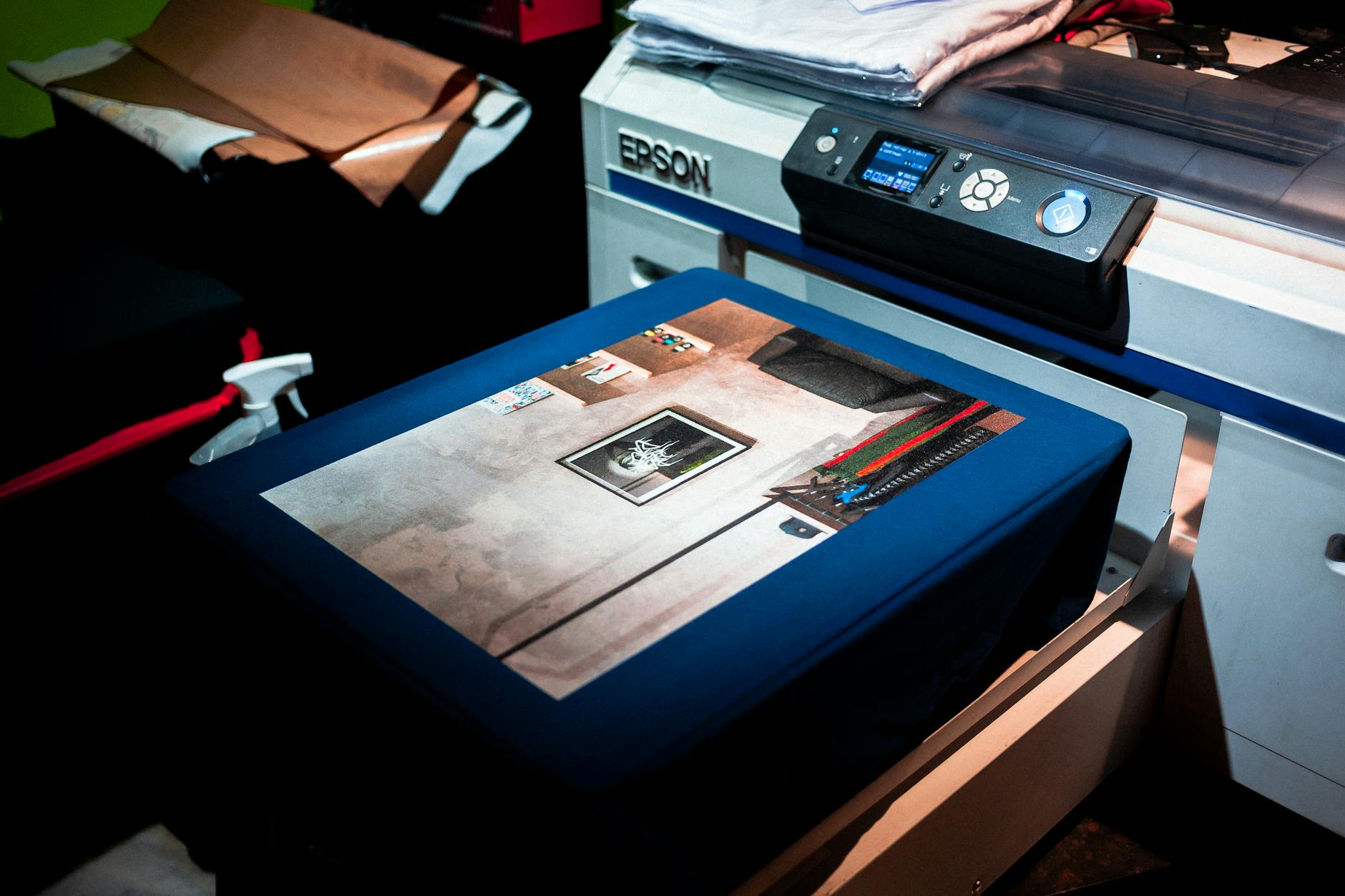
Choosing the right decoration method can make or break a branded merchandise campaign. With so many printing techniques available — screen printing, embroidery, sublimation, pad printing — it’s easy to feel overwhelmed before you’ve even selected the products themselves. Digital printing has emerged as one of the most versatile and accessible options for Australian businesses, corporate teams, and event organisers, but it’s not always the right choice for every project. Understanding how to choose digital printing for promotional products means knowing when it excels, when to consider alternatives, and how to brief a supplier for the best possible outcome.
What Is Digital Printing and How Does It Work?
Digital printing applies artwork directly to a product or substrate using specialised inkjet or laser-based technology — no screens, plates, or stencils required. The design is sent electronically to the printer, which lays down precise layers of ink or toner to reproduce even the most intricate details.
There are several variations worth knowing:
- Direct-to-garment (DTG) printing — used for fabric items like t-shirts and tote bags, where ink is applied directly into the fibres
- UV digital printing — uses ultraviolet light to cure ink instantly onto hard surfaces like phone cases, drink bottles, and notebooks
- Dye-sublimation — transfers dye into polyester fibres or coated surfaces under heat and pressure, producing vibrant, full-bleed designs
- Direct-to-film (DTF) printing — a newer process that prints onto film before transferring to fabric, suitable for small runs on a wide range of garments
Each variation has different strengths depending on the product, substrate, and print area. If you’re planning a small-batch apparel run, our guide to direct-to-garment printing for small batch custom t-shirts goes deeper into that specific process.
When to Choose Digital Printing for Promotional Products
Digital printing shines in specific circumstances. Understanding those scenarios will help you decide whether it’s the right fit for your next campaign.
Low Minimum Order Quantities
One of the biggest advantages of digital printing is that it requires little to no setup. Unlike screen printing, which needs a separate screen for each colour, digital printing doesn’t have costly setup fees tied to colour counts. This makes it ideal for:
- Small runs of 10–50 units for boutique giveaways or VIP gifts
- Event merchandise where you need multiple design variants
- Trial orders before committing to a large campaign
A Sydney startup ordering 25 custom water bottles for a product launch, or an Adelaide law firm wanting 30 branded notebooks for a client function, would both benefit from digital printing’s low-MOQ flexibility.
Detailed Artwork and Full-Colour Designs
If your logo includes gradients, photographic elements, complex illustrations, or more than four colours, digital printing is often the most practical choice. Traditional methods like screen printing become exponentially more expensive as colour counts rise, whereas digital printing reproduces full-colour artwork at a flat rate.
This makes it particularly valuable for event organisers creating merchandise with detailed event-specific graphics, or for businesses with brand guidelines that demand precise colour fidelity. You can explore current trends in branded merchandise on our promotional drinkware trends in Australia post, which highlights how full-colour personalisation is shaping consumer expectations.
Personalisation and Variable Data Printing
Digital printing enables true personalisation at scale. Each unit in a run can carry a unique name, number, QR code, or design variant without slowing down production. This is a game-changer for:
- Corporate gifting programmes where executives receive items with their names
- Conference lanyards or name badges
- School or club uniforms with player names and numbers
If you’re sourcing personalised gifts for senior staff, our guide to personalised wireless chargers for executive gifts shows how digital decoration adds perceived value to premium items.
Choosing the Right Products for Digital Printing
Not every promotional product is equally suited to digital printing. The substrate — meaning the surface being printed on — has a significant influence on print quality and durability.
Soft Goods and Apparel
DTG printing works well on 100% cotton and cotton-rich blends. It produces soft, detailed prints but requires the fabric to be pre-treated, which can slightly affect texture on dark garments. Sublimation, on the other hand, is brilliant for polyester fabrics and produces wash-resistant, full-bleed designs.
When ordering custom made t-shirts in Australia, always confirm with your supplier which digital method they’re using and whether the fabric composition is compatible. A Brisbane school organising sports day shirts in multiple colourways will get vastly different results from DTG versus sublimation depending on the shirt material.
Hard Goods: Drinkware, Tech, and Stationery
UV digital printing is widely used for hard promotional products. Branded water bottles, keep cups, power banks, and notebooks can all accept UV digital prints with impressive detail. The ink cures hard and resists scratching better than some traditional methods, though results vary by surface finish (matte surfaces typically hold ink better than high-gloss).
Our roundup of water bottles with branding highlights how digital printing elevates standard hydration products into premium branded items — particularly relevant as branded drinkware continues to grow in popularity. You can also check out the latest promotional drinkware industry statistics to understand why this product category is worth investing in.
Bags and Totes
Tote bags are among the most popular digital printing substrates, especially for events, conferences, and retail promotions. Cotton, canvas, and non-woven polypropylene all take digital prints reasonably well, though thicker canvases may produce slightly softer results compared to smooth surfaces.
If you’re considering bags for an upcoming campaign, our overview of branded tote bags provides useful context on sizing, material options, and decoration placement — much of which applies equally to Australian projects.
Key Factors to Evaluate Before Ordering
Once you’ve established that digital printing suits your product and artwork, there are several practical considerations to work through before placing an order.
Artwork Preparation
Digital printing requires high-resolution artwork — typically 300 DPI at the intended print size for raster images, or vector files (AI, EPS, PDF) for logos and text. Low-resolution artwork will produce blurry or pixelated results, and many suppliers will flag this during the proof stage.
If you’re unsure about your artwork readiness, most reputable Australian suppliers offer pre-press checks as part of the quoting process. Understanding the request for quote process for promotional product tenders will help you ask the right questions upfront.
Colour Accuracy
Digital printing uses CMYK colour mixing rather than spot (Pantone/PMS) inks. This means exact PMS colour matching — common in corporate brand guidelines — can be challenging. If your brand has a specific PMS colour that must be reproduced faithfully, discuss this with your supplier before ordering. Some substrates and coating finishes also shift perceived colour, so requesting a physical sample or pre-production proof is strongly advised.
Turnaround Times
Digital printing typically has faster turnarounds than screen printing or embroidery, especially for small quantities. Standard turnaround in Australia is generally 5–10 business days from artwork approval, though express options (2–3 business days) are available from some suppliers for an additional fee. For time-sensitive campaigns — think conference merchandise for a Melbourne expo or seasonal promotional items — always confirm lead times and factor in shipping to your location.
Budget Considerations
While digital printing has low setup costs, the per-unit price can be higher than screen printing on large runs. For orders above 150–200 units of a single design, screen printing often becomes more cost-effective. The sweet spot for digital printing is typically:
- Runs of 10–150 units
- Designs with four or more colours
- Projects requiring personalisation or multiple variants
For larger campaigns, consider using digital printing for a premium “hero” item (such as a branded notebook or tech accessory) alongside bulk screen-printed items. Our broader overview of promotional products online in Australia offers useful guidance on balancing budget across product categories.
Sustainability and Digital Printing
Environmental considerations are increasingly important for Australian businesses and government organisations. Digital printing has some genuine sustainability advantages: no screen chemicals, less ink waste, and the ability to print on demand (reducing overproduction). Many eco-conscious organisations — from Perth councils to Canberra departments — are aligning their merchandise choices with sustainability policies.
If sustainability is a priority for your programme, our guide to green promotional products for Australian government departments explores how decoration choices, including digital printing on recycled substrates, can support broader environmental commitments. You’ll also find relevant ideas in our post on recycled marketing giveaways in Australia.
Working With Your Supplier: Getting the Best Results
Regardless of which digital printing method you choose, clear communication with your supplier is essential. Provide:
- Vector or high-res artwork in the correct format
- Your brand colour references (even if exact PMS matching isn’t guaranteed)
- Clear briefing on print size, placement, and any personalisation requirements
- A timeline that includes buffer for proof approval and shipping
For corporate wellness programmes or health-focused events, digital printing works beautifully on items like promotional essential oils for corporate wellness programmes and promotional first aid kits, where full-colour branding adds professionalism to practical gifts.
Key Takeaways
Understanding how to choose digital printing for promotional products comes down to matching the method to your artwork, product, quantity, and timeline. Here’s a quick summary of what to keep in mind:
- Digital printing is ideal for small to medium runs (10–150 units), especially when designs are complex or full-colour
- Know your substrate — different digital methods (DTG, UV, sublimation, DTF) suit different materials and surfaces
- Prepare high-quality artwork — vector files or 300 DPI raster images at the correct print dimensions are non-negotiable
- Manage colour expectations — CMYK digital printing may not perfectly replicate PMS brand colours; request samples or proofs before full production
- Factor in the full timeline — from artwork approval to delivery, allow at least 7–14 business days for standard orders, and communicate any hard deadlines to your supplier upfront
With the right product selection, quality artwork, and an honest conversation with your supplier, digital printing can deliver stunning branded merchandise that genuinely represents your organisation’s standards.