
Pad Printing on Custom Polo Shirts in Australia: What You Need to Know
Discover how pad printing works on custom polo shirts, when to use it, and how Australian businesses can get the best results from this technique.

Written by
Mia Chen
Branding & Customisation
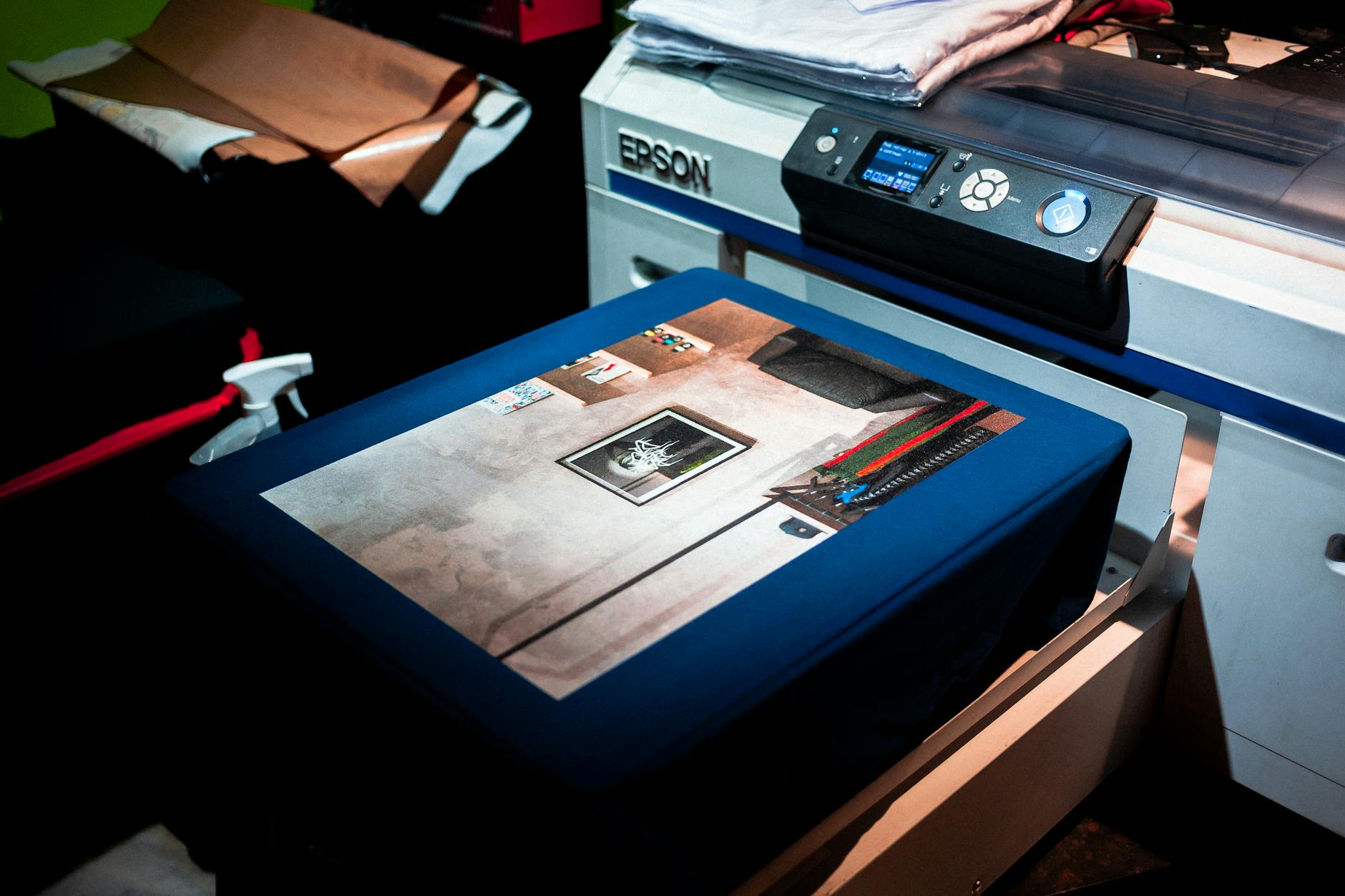
When it comes to decorating custom polo shirts for Australian businesses and corporate teams, most people immediately think of embroidery or screen printing. And while both methods have their place, there’s another technique that deserves far more attention than it typically gets — pad printing. Though it’s more commonly associated with hard promotional products like pens, mugs, and USB drives, pad printing on custom polo shirts in Australia is a real option that some organisations are exploring for specific applications. Understanding when it makes sense, how it compares to other methods, and what the practical limitations are can save you time, money, and a great deal of frustration on your next uniform or corporate apparel order.
What Is Pad Printing and How Does It Work?
Pad printing is an indirect printing process that transfers a 2D image onto a 3D surface using a soft silicone pad. Here’s the basic process: an image is etched into a metal or photopolymer plate called a cliché. The cliché is then flooded with ink, and a silicone pad picks up the inked image and transfers it directly onto the surface of the product being decorated.
The reason pad printing is so widely used in the promotional products industry is its ability to conform to irregular, curved, or textured surfaces. Think about the surface of a pen barrel, the side of a USB drive, or the dome of a hard hat — pad printing handles these contours with ease because the soft silicone pad compresses and flexes to match the shape of the object.
So where does fabric fit into this picture? In limited circumstances, pad printing can be applied to rigid or semi-rigid components of a garment — for example, printed patches, woven labels, or hard elements like collar stays or badge attachments that are then sewn or affixed to a polo shirt. It’s not used to print directly onto the fabric body of a polo shirt in the same way screen printing or digital printing methods would be. Understanding this distinction is crucial before you brief a supplier.
Pad Printing on Custom Polo Shirts in Australia: Understanding the Limitations
If you’ve been searching for pad printing on custom polo shirts in Australia, it’s worth clarifying exactly what this technique can and can’t achieve on garments. Direct pad printing onto woven polyester or cotton polo fabric is generally not a standard or recommended approach. Here’s why.
Why Fabric Presents a Challenge for Pad Printing
Fabric is inherently flexible, absorbent, and porous. Pad printing relies on a controlled ink transfer to a surface where the ink can sit cleanly, cure properly, and adhere without bleeding. Soft textiles don’t provide the stable, non-absorbent base that pad printing requires. The ink can wick into the fibres, resulting in unclear edges and poor durability after washing.
By contrast, hard substrates like the promotional products you’d find in our guide to branded water bottles or the accessories covered in our promotional drinkware trends for Australia are ideal pad printing candidates precisely because they offer a firm, controlled surface.
Where Pad Printing Does Intersect With Polo Shirts
That said, there are legitimate scenarios where pad printing comes into contact with polo shirt production:
- Woven or printed labels: Garment labels (those sewn into the collar or hem) can be pad printed if they feature a rigid or semi-rigid element.
- Badge overlays and patches: Some corporate programs use printed rigid patches — think plastic or metal name badges — that are attached to polo shirts using magnetic or pin-back fixings. Pad printing works well here.
- Promotional additions: Items that accompany a polo shirt order — such as branded pens, lanyards, or keyrings packed in the same gift set — are frequently pad printed.
If you’re organising a corporate uniform pack that combines polo shirts with accessory items, it’s entirely reasonable to have pad printing in the mix, just not necessarily on the shirt itself.
The Right Decoration Methods for Custom Polo Shirts
Since pad printing isn’t a typical go-to for the garment itself, let’s talk about what actually works well on polo shirts in the Australian market.
Embroidery
Embroidery is the gold standard for corporate polo shirts and remains the most popular decoration method for workwear across industries. It conveys quality and longevity, with designs stitched directly into the fabric using polyester or rayon thread. For a Perth mining services company or a Sydney financial services firm ordering 50 or more polos, embroidery is typically the first recommendation. It handles logos with solid shapes and limited colours exceptionally well, though fine detail and gradients are difficult to achieve.
Screen Printing
Screen printing is an excellent option when you have a bold, high-coverage design and a larger order quantity — generally 25 pieces minimum, though some suppliers may go lower. It’s cost-effective at volume and produces vibrant, durable results. A Melbourne hospitality business printing staff polo shirts for a summer events season would typically lean on screen printing for the chest logo application.
Heat Transfer and Digital Transfer Printing
For smaller runs or more complex artwork, heat transfer or digital transfer printing (sometimes called DTF — Direct to Film) is increasingly popular. This method allows for photographic-quality prints and multi-colour designs without the setup costs of screen printing. It bridges the gap nicely for orders of 10–50 pieces.
For comparison, direct-to-garment printing for small batch custom t-shirts offers similar flexibility, though DTG is better suited to t-shirt fabric compositions than structured polo fabrics.
Sublimation
Sublimation printing bonds dye into the fabric itself, creating incredibly vibrant and wash-resistant results. However, it’s only suitable for 100% polyester garments, which means it’s a common choice for sports and performance polos rather than traditional cotton or cotton-blend corporate styles.
What to Look for When Ordering Custom Polo Shirts in Australia
Whether you’re ordering 20 shirts for a Gold Coast real estate agency or 300 for a Canberra government department, there are several practical considerations that will shape your ordering experience.
Artwork Requirements
Regardless of the decoration method you choose, artwork quality matters enormously. Vector files (AI, EPS, or PDF format) are the preferred format for most decorators because they scale without loss of quality. If your artwork includes specific brand colours, request PMS (Pantone Matching System) colour matching to ensure consistency across batches.
Minimum Order Quantities
MOQs vary by decoration method and supplier. Embroidery on polo shirts typically starts at 12–25 pieces. Screen printing usually requires at least 25–50 pieces depending on colour count and setup. Heat transfer methods often have lower MOQs, sometimes as few as 5–10 pieces, making them accessible for smaller teams or event-specific orders. If you’re navigating a formal procurement process, our guide to the request for quote process for promotional product tenders is a valuable resource.
Turnaround Times
Standard production on custom polo shirts typically runs 10–15 business days from artwork approval. Rush orders may be available at a premium. If you’re planning for a conference, trade show, or EOFY corporate gifting initiative, factor in at minimum three to four weeks from initial enquiry to delivery. Our coverage of EOFY custom products in Australia explains how to plan your ordering timeline effectively around the financial year end.
Sustainable Fabric Options
There’s growing demand from Australian businesses — particularly in government and not-for-profit sectors — for polo shirts made from organic cotton, recycled polyester, or ethically sourced materials. This aligns with broader trends in green promotional products for Australian government departments and recycled marketing giveaways in Australia. If sustainability is a priority for your organisation, request fabric certification documentation (GOTS, OCS, or Oeko-Tex) from your supplier.
Building a Broader Branded Merchandise Strategy Around Your Polo Shirt Order
Custom polo shirts rarely exist in isolation — they’re typically part of a broader branding or merchandise strategy. If you’re investing in corporate apparel, it’s worth thinking about the full picture of what your team, clients, or event attendees might receive.
For corporate events and conferences, polo shirts often pair well with branded notebooks and stationery (see our guide to promotional notebooks in Brisbane), branded drinkware (our promotional drinkware industry statistics give great context on what’s working), or premium executive gifts like personalised wireless chargers.
For awards nights and end-of-season events, combining branded polo shirts with promotional giveaways for awards ceremonies in Australia creates a cohesive branded experience guests actually remember.
You can explore the full range of branded merchandise options through our promotional products online resource for Australia to get a sense of what’s available at different price points.
Conclusion: Key Takeaways on Pad Printing and Custom Polo Shirts in Australia
Navigating decoration methods for custom polo shirts can feel overwhelming, especially when terminology like “pad printing on custom polo shirts in Australia” blurs the lines between garment decoration and broader product branding. Here are the essentials to carry with you:
- Pad printing is not typically used to decorate the fabric body of a polo shirt — it’s best suited to hard surfaces like pens, USBs, badges, and other rigid promotional items that may accompany your polo shirt order.
- Embroidery remains the preferred decoration method for corporate polo shirts, offering durability, a premium finish, and broad supplier availability across Australia.
- Screen printing, heat transfer, and sublimation are all valid alternatives depending on your design, fabric type, order quantity, and budget.
- Planning ahead is essential — allow at least three to four weeks for custom polo shirt orders, especially if multiple decoration methods or items are involved in your broader merchandise pack.
- Sustainability is increasingly important to Australian businesses and government clients, so explore certified eco-friendly fabric options when briefing your supplier.
Armed with the right knowledge, you’ll be in a much stronger position to brief your supplier confidently, manage your budget effectively, and deliver branded polo shirts that genuinely represent your organisation.