
How to Print Onto a T-Shirt: A Complete Guide for Australian Businesses
Discover the best methods to print onto a t-shirt for your business, event, or team. Expert tips on decoration, costs, and ordering in Australia.

Written by
Kai Williams
Custom Apparel
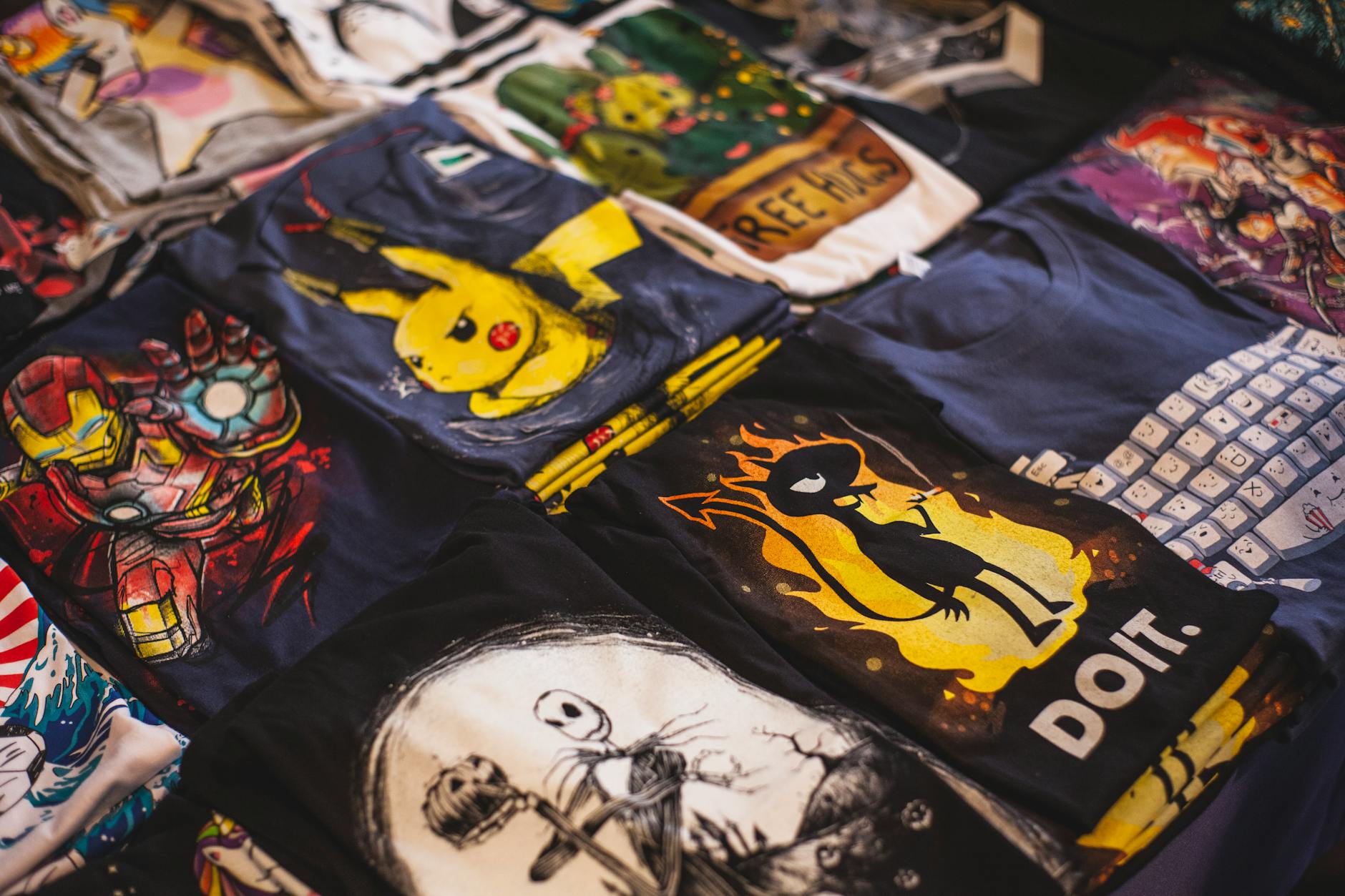
Choosing the right way to print onto a t-shirt is one of the most important decisions you’ll make when ordering custom apparel for your business, team, or event. Get it right, and you’ll have a branded product that looks sharp, lasts the distance, and genuinely represents your organisation. Get it wrong, and you could end up with cracking prints, washed-out colours, or garments that fall apart after a few wears. Whether you’re a Melbourne-based corporate team kitting out staff for a conference, a Brisbane events organiser sourcing merchandise for a festival, or a Sydney startup building your brand identity, this guide walks you through everything you need to know before placing your order.
Why the Decoration Method Matters When You Print Onto a T-Shirt
Not all printing methods are created equal. Each technique has its own strengths, limitations, ideal use cases, and cost implications. Understanding the difference before you commit to an order can save you significant time, money, and frustration.
The fabric of the t-shirt itself plays a huge role in which decoration method will work best. Cotton, polyester, cotton-poly blends, bamboo, and performance fabrics all respond differently to heat, ink, and pressure. A method that produces stunning results on a 100% cotton tee might look underwhelming on a moisture-wicking polyester singlet — and vice versa.
Beyond fabric, you’ll also want to consider:
- The complexity of your artwork — Is it a simple two-colour logo or a full-colour photographic design?
- Your order quantity — Some methods are cost-effective at high volumes but expensive for small runs
- The intended use — Staff uniforms, event giveaways, retail merchandise, and sportswear all have different durability requirements
- Your budget — Setup fees, unit costs, and finish quality vary significantly across methods
Let’s break down the most common options available to Australian businesses and organisations.
The Most Popular Methods to Print Onto a T-Shirt
Screen Printing
Screen printing is the most widely used method for bulk t-shirt orders across Australia, and for good reason. It delivers vibrant, durable prints that hold up wash after wash — making it ideal for corporate uniforms, event merchandise, school sport day shirts, and team apparel.
The process involves creating a stencil (or “screen”) for each colour in your design, then pushing ink through the screen onto the fabric. Each colour requires a separate screen, which means setup costs apply per colour. This is why screen printing becomes more cost-effective as your order quantity increases.
Best for: Simple to moderately complex designs, 2–6 colour logos, bulk orders of 50+ units, cotton and cotton-blend fabrics Typical MOQ: 20–50 units depending on the supplier Key consideration: Each colour adds to your setup cost; full-colour photographic designs are generally not suitable
Direct-to-Garment (DTG) Printing
Direct-to-garment printing works similarly to a standard inkjet printer — but instead of paper, it prints directly onto the fabric using specialised textile inks. This makes it perfect for designs with lots of colours, gradients, or photographic detail.
DTG doesn’t require screens or setup per colour, which makes it an economical choice for small runs or even one-off custom pieces. A Perth startup ordering 10 staff shirts with a complex logo, or a Gold Coast event organiser needing a handful of personalised event tees, would both benefit from DTG’s flexibility.
Best for: Full-colour designs, small quantities, photographic artwork, personalised or variable data prints Typical MOQ: 1 unit (though costs per unit are higher at low quantities) Key consideration: Works best on 100% cotton or high-cotton blend fabrics; not ideal for dark polyester garments
Heat Transfer Printing
Heat transfer involves printing your design onto a special transfer paper or vinyl film, then applying it to the garment using a heat press. There are several variations — standard heat transfers, vinyl (or HTV), and digital heat transfers — each with slightly different applications.
This method is popular for smaller orders, personalised names and numbers on sportswear, and situations where you need quick turnaround. A football club in Adelaide ordering player jerseys with individual names and numbers, for example, is a perfect use case for heat transfer vinyl.
Best for: Personalised individual items, name and number customisation, small runs, polyester sportswear Typical MOQ: As low as 1 unit Key consideration: Durability can vary; premium heat transfer products hold up well, but lower-quality transfers may crack or peel over time
Sublimation Printing
Sublimation printing uses heat to infuse dye directly into the fibres of the fabric, producing prints that are effectively part of the garment rather than sitting on top of it. The result is a smooth, vibrant, all-over print with no feel or texture to the design.
This method is exceptional for performance sportswear, cycling kits, swimwear, and any garment where you want edge-to-edge colour. A Darwin sporting association ordering custom team kits would find sublimation an outstanding option.
Best for: All-over prints, polyester performance fabrics, sportswear, fully customised garment designs Typical MOQ: Often 20–50 units for custom sublimated garments Key consideration: Only works on white or light-coloured polyester (or polyester-blend) fabrics; not suitable for cotton
Embroidery
While not technically “printing,” embroidery is worth mentioning here because many organisations choose it as an alternative to printed decoration on t-shirts, polos, and workwear. Thread stitched directly into the fabric creates a premium, textured result that communicates quality and professionalism.
For more information on decoration choices beyond printing, our guide on pad printing on custom polo shirts in Australia explores how pad printing compares to other methods for apparel and accessories.
Best for: Corporate polos, workwear, chest logos, hats and caps Typical MOQ: 6–12 units Key consideration: Not ideal for highly detailed artwork or large design areas on t-shirts
Artwork Preparation: Getting Your Design Print-Ready
One of the most common causes of delays in custom t-shirt orders is artwork that isn’t prepared correctly. Here’s what most Australian decoration suppliers will require:
- Vector files (AI, EPS, or PDF) are strongly preferred for screen printing and embroidery, as they can be scaled without loss of quality
- High-resolution raster files (300 DPI minimum) in PNG or TIFF format are acceptable for DTG and heat transfer
- PMS colour references if you need exact brand colour matching — especially important for corporate identity work
- Clear specifications on print size, placement (chest, back, sleeve), and colour breakdowns
If you don’t have print-ready artwork, many suppliers offer design assistance — though this may incur an additional fee. It’s always worth asking before you order.
Budgeting for Your Custom T-Shirt Order
Pricing for printed t-shirts in Australia varies based on several factors: garment quality, decoration method, number of print colours or positions, order quantity, and turnaround time.
As a general guide:
- Screen printing typically ranges from $8–$25+ per unit depending on quantity and colour count
- DTG printing can range from $15–$40+ per unit for small runs, with the cost dropping significantly at higher volumes
- Heat transfer varies widely — budget-friendly for small runs but less economical at scale
- Sublimated performance tees often start at $25–$60+ per unit depending on garment complexity and quantity
Setup fees for screen printing typically range from $30–$80 per colour. These are a one-off cost for new artwork but may apply again if you change your design or reorder with modifications.
If you’re sourcing other promotional products alongside your custom tees — branded drinkware, tote bags, or tech accessories — bundling orders can sometimes yield better pricing overall. You might also find useful insights in our overview of promotional products online in Australia and our roundup of recycled marketing giveaways if sustainability is a priority for your campaign.
Turnaround Times and What to Expect
Turnaround times for printed t-shirts in Australia typically range from 5 to 15 business days once your artwork has been approved. Factors that affect timing include:
- Order volume — Large orders naturally take longer to produce
- Decoration method — DTG and heat transfer are generally faster than screen printing, which requires screen setup
- Proof approval — Most suppliers will send a digital proof for your sign-off before production begins; delays here directly push out your delivery date
- Location — Deliveries to regional areas like Broome or Darwin may add transit time compared to metro deliveries; see our guide on promotional products for businesses in Broome for more regional-specific considerations
Rush orders are often available for an additional fee, but it’s always best to build adequate lead time into your planning — especially for events, trade shows, and conferences.
Choosing the Right T-Shirt for Your Print
The garment itself is just as important as the printing method. Popular fabric options for custom printed t-shirts in Australia include:
- 100% cotton — Breathable, comfortable, takes DTG and screen printing exceptionally well
- Cotton-polyester blends — Durable, cost-effective, suitable for most decoration methods
- Performance polyester — Ideal for sports and active use; best suited to sublimation or heat transfer
- Organic and recycled fabrics — Growing in popularity for environmentally conscious brands
Choosing the right garment weight also matters. Lighter fabrics (140–160 gsm) are popular for summer events and giveaways, while mid-weight (180–200 gsm) garments are preferred for uniforms and retail-quality merchandise.
For broader merchandise campaigns, you might also consider complementing your custom tees with items like branded water bottles or personalised drink bottles — both of which pair well with custom apparel for corporate events and activations.
You can also explore other products that make excellent event companion pieces, from promotional giveaways for awards ceremonies to quick-dry towels for sporting events, or even promotional notebooks in Brisbane for conference packs.
If you’re putting together a full event merchandise pack, it’s worth exploring items like promo shopping bags to bundle your printed tees into a complete branded experience.
Conclusion
Knowing how to print onto a t-shirt — and more importantly, choosing the right method for your specific needs — is the foundation of any successful custom apparel project. Here are the key takeaways to guide your next order:
- Match your decoration method to your artwork and fabric — Screen printing suits bold logos on cotton; DTG excels at full-colour designs on small runs; sublimation is unbeatable for all-over prints on polyester sportswear
- Prepare your artwork correctly — Vector files and PMS colour references save time and ensure accurate results
- Factor in setup fees and MOQs — Understanding these upfront prevents budget surprises, especially for smaller orders
- Build in adequate lead time — Most quality suppliers need 7–15 business days from proof approval; rush jobs cost more and increase risk
- Think beyond the tee — Pairing your custom t-shirts with complementary branded merchandise creates a more cohesive, memorable brand experience for your audience