
How Promotional Product Fulfilment Services Work for Australian Online Stores
Discover how promotional product fulfilment services can streamline your online store's branded merchandise — from warehousing to doorstep delivery.

Written by
Ruby Ahmed
Buying Guides & Tips
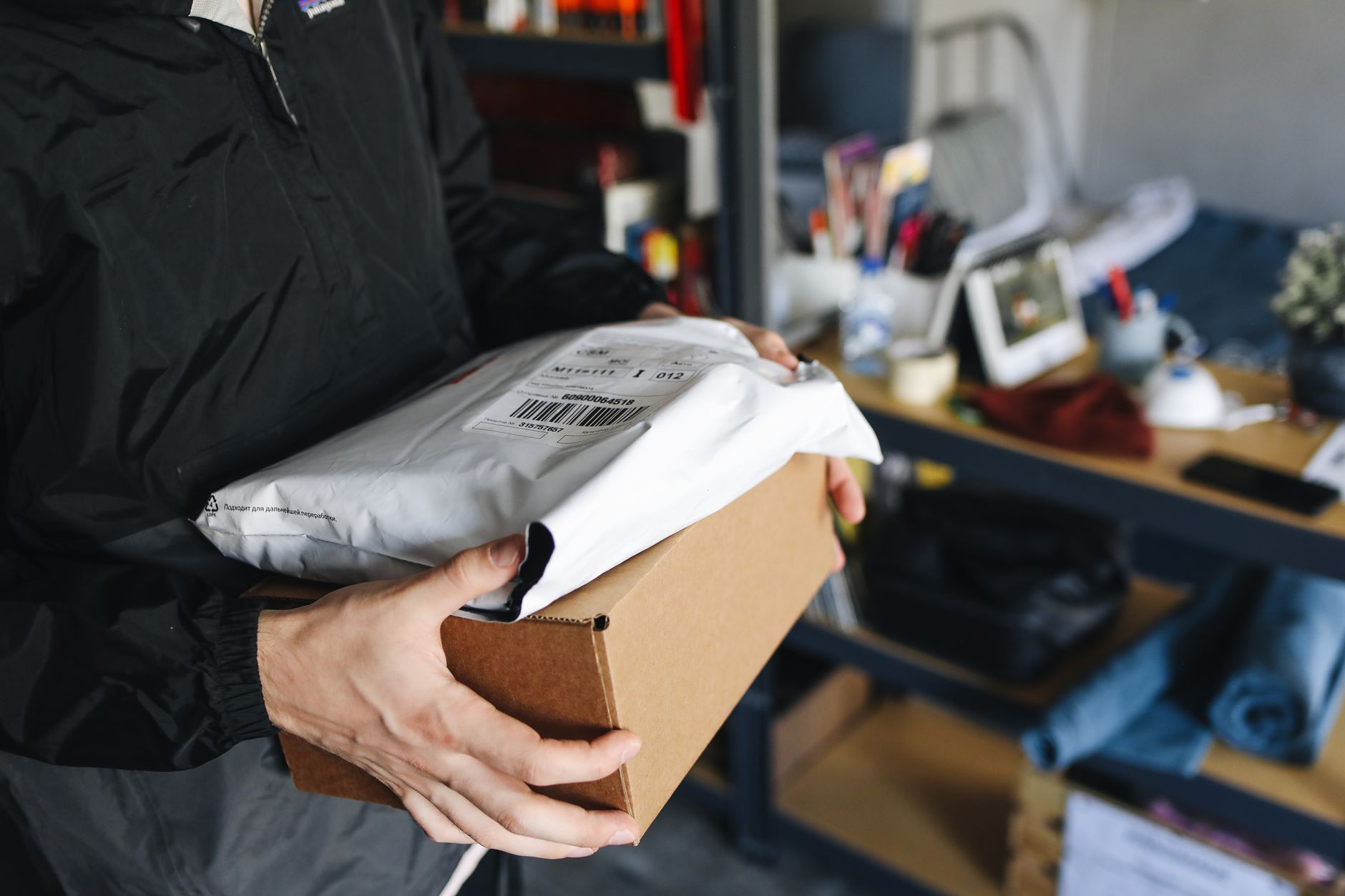
Running an online store in Australia and thinking about adding branded merchandise to your product mix? Or perhaps you’re already selling custom products but drowning in packing slips, stock spreadsheets, and trips to the post office? Promotional product fulfilment services for online stores are quietly transforming the way Australian businesses handle their branded merchandise — and if you haven’t explored this space yet, you could be leaving significant time, money, and customer satisfaction on the table. This guide breaks down exactly how these services work, what to look for, and how to decide whether outsourcing your fulfilment makes sense for your business.
What Are Promotional Product Fulfilment Services?
At their most basic, promotional product fulfilment services handle the storage, picking, packing, and shipping of your branded merchandise on your behalf. Rather than stockpiling thousands of branded water bottles or custom t-shirts in your spare room or office storage, a fulfilment provider holds your inventory in their warehouse and dispatches individual orders directly to your customers as they come through your online store.
This model — often called third-party logistics, or 3PL — is well established in the e-commerce world. But within the promotional products industry specifically, it comes with some additional nuances. Your merchandise is custom-branded, which means it requires careful quality control, accurate inventory tracking by SKU, and often coordination with the original print supplier before stock even arrives at the fulfilment centre.
For businesses ranging from a Sydney fashion brand selling branded tote bags to a Perth tech company fulfilling employee onboarding kits, this kind of service can be a genuine game-changer.
Why Australian Businesses Are Adopting This Approach
The Australian market has some particular characteristics that make fulfilment services especially appealing. Geographically, we’re spread across an enormous landmass, and shipping from a central warehouse in Melbourne or Brisbane to customers in Darwin or Hobart has historically been slow and expensive. Modern fulfilment providers have responded to this challenge by establishing multi-location networks, enabling faster dispatch times across the country.
There’s also been a notable shift in how organisations source and distribute promotional products. Corporate teams no longer just order a box of branded pens for a trade show — they’re building ongoing merchandise programs, employee stores, and customer loyalty shops. These setups demand a reliable backend that scales with demand.
Some of the most common use cases for fulfilment services in the promotional product space include:
- Company swag stores — internal portals where employees can order branded apparel, drinkware, or accessories
- Customer loyalty and rewards programs — automated dispatch of branded gifts when customers hit certain milestones
- Event merchandise stores — online shops set up ahead of conferences, sporting events, or expos where attendees pre-purchase branded items
- Charity and fundraising stores — organisations running merchandise campaigns with ongoing fulfilment needs
- Real estate and professional services — firms sending branded welcome packs to new clients across multiple states
If any of these scenarios sound familiar, you’re already halfway to understanding why promotional product fulfilment services for online stores have become such a hot topic in 2026.
Key Features to Look For in a Fulfilment Partner
Not all fulfilment providers are created equal, especially when it comes to branded merchandise. Here’s what to prioritise when evaluating your options.
Integration With Your Online Store
A good fulfilment partner should be able to connect directly to your e-commerce platform — whether that’s Shopify, WooCommerce, or a custom-built portal. This integration enables automatic order sync, real-time inventory updates, and tracking information sent directly to your customers without any manual intervention. Without seamless integration, you’re back to copying and pasting order details by hand, which defeats the purpose entirely.
Branded Packaging Capabilities
Your fulfilment partner isn’t just shipping boxes — they’re delivering your brand experience. Look for providers who can incorporate recycled cardboard branded packaging for e-commerce into their fulfilment workflow, as this keeps your sustainability commitments intact while reinforcing brand identity at the moment of unboxing.
Inventory Management and Reporting
You need clear visibility over your stock levels at all times. Real-time dashboards, low-stock alerts, and usage reporting are non-negotiable, especially if you’re managing multiple SKUs across different product categories — think branded water bottles, custom t-shirts, and personalised travel mugs all under the one roof.
Turnaround Times
One of the most critical factors for customer satisfaction is how quickly orders are dispatched. Before signing with any fulfilment partner, get clarity on their standard dispatch SLAs (service level agreements). For most e-commerce shoppers in Australia, a same-day or next-business-day dispatch is the baseline expectation. Our guide to turnaround time expectations for custom printed merchandise covers this in detail, but the short version is: don’t assume — always ask for specifics in writing.
Minimum Stock Requirements
Some fulfilment centres require you to hold a minimum quantity of stock in their warehouse. This is worth understanding upfront, particularly for seasonal items. A Gold Coast event company might need 500 custom hats in the warehouse ahead of a summer event series but nothing for the rest of the year — a rigid minimum stock model could make that arrangement costly.
The Product Side: What Merch Works Best for Fulfilment?
Almost any promotional product can be warehoused and fulfilled, but some categories lend themselves particularly well to the model.
Apparel is one of the most popular categories. Branded hoodies, polos, and caps are items people reorder regularly, making them ideal for an ongoing store model. Browse our overview of promotional products available online across Australia to get a sense of the breadth of options now accessible.
Drinkware — particularly insulated keep cups, pulse chargers, and reusable bottles — performs extremely well in corporate swag stores because these are items people actively want and use daily.
Bags are another perennial strong performer. Shopping bags with logos, duffle travel bags, and backpacks all ship efficiently and hold their perceived value as quality branded gifts.
Tech accessories — think branded phone stands, webcam covers (popular with Melbourne’s remote-work contingent — see our post on promotional webcam covers in Melbourne), and USB hubs — are compact, lightweight, and therefore inexpensive to warehouse and ship.
For organisations with a focus on sustainability, the range of options has expanded considerably. Recycled marketing giveaways and eco-friendly product lines are now available in fulfilment-ready formats, making it straightforward to maintain your environmental commitments even at scale.
Cost Considerations and Budgeting Realistically
Fulfilment services come with costs that aren’t always obvious upfront. Here’s a realistic breakdown of what you might expect to pay:
- Onboarding/setup fees — Many providers charge a one-off fee to set up your account, integrate your store, and process the initial inbound stock.
- Storage fees — Typically charged per cubic metre or per pallet, per week or per month. These can add up quickly if you’re holding large volumes of bulky items.
- Pick and pack fees — A per-order charge (and sometimes a per-item charge) covering the labour involved in assembling each order.
- Outbound shipping — Either passed through at cost or at a negotiated rate. Multi-carrier access is a significant advantage here, as it allows the provider to route each order via the cheapest or fastest carrier for that specific destination.
- Return handling — A cost many businesses overlook. If you’re selling apparel in multiple sizes, returns are inevitable, and your fulfilment partner needs a defined process for handling them.
For businesses in smaller markets — say, a Toowoomba business exploring promotional products in their region — the economics of a third-party fulfilment arrangement may look different to a Sydney-based corporate with national reach. It’s always worth running the numbers against your current spend before committing.
Getting Your Artwork and Products Ready
Before stock can move into a fulfilment centre, it needs to be produced. This means navigating the standard branded merchandise production workflow: artwork approval, decoration method selection, sample sign-off, and bulk production.
For complex orders — particularly those involving a tender or institutional procurement process — our breakdown of the request for quote process for promotional product tenders is a useful starting point.
The decoration method you choose will also affect how quickly your products can be replenished. Screen-printed items, for instance, often require minimum order quantities that might not align neatly with a low-stock reorder trigger. Embroidered apparel, laser-engraved drinkware, and unique promotional products with complex decoration may have longer lead times than simpler pad-printed or digital options — factor this into your inventory planning.
For Brisbane-based businesses thinking about stationery components, promotional notebooks are a great example of a product that works seamlessly in a fulfilment model — consistent sizing, no fragility issues, and strong perceived value as a gift item.
Scaling Your Merch Operation Over Time
One of the most compelling arguments for building your merchandise program around a fulfilment service is scalability. When the Adelaide branch of your business suddenly needs 200 onboarding kits dispatched within a week, or a seasonal product like branded Santa hats needs to be picked and shipped for a December campaign, a well-established fulfilment relationship means you can handle that spike without hiring temporary staff or reorganising your office.
As your product range grows — perhaps adding a TaylorMade golf bag to a premium corporate gifting tier, or incorporating quick-dry towels into a sporting club merchandise store — the infrastructure is already in place to absorb new SKUs without starting from scratch each time.
Conclusion: Key Takeaways
Promotional product fulfilment services for online stores represent a mature, practical solution for Australian businesses that have moved beyond ad hoc merch ordering and into an ongoing branded merchandise strategy. Done well, the model removes operational headaches, improves the customer experience, and frees your team to focus on what actually matters — growing your business.
Here are the key points to take away from this guide:
- Fulfilment services handle storage, picking, packing, and shipping of your branded merchandise, integrating directly with your online store for seamless automation.
- Integration, reporting, and turnaround SLAs are the three most critical factors to evaluate when choosing a fulfilment partner — get specifics in writing before committing.
- Almost any promotional product category works in a fulfilment model, but apparel, drinkware, bags, and tech accessories tend to offer the best economics.
- Upfront and ongoing costs vary significantly — storage fees, pick-and-pack charges, and return handling all add up, so model the full cost against your current approach before signing anything.
- Scalability is the long-term win — a well-configured fulfilment arrangement can absorb seasonal spikes, new SKUs, and geographic expansion without major disruption to your operations.