
T-Shirt and Print: The Complete Guide to Custom Branded Apparel for Australian Businesses
Discover how to get the best results from custom t-shirt printing for your business, event, or corporate team. Expert tips on decoration, ordering, and budgets.

Written by
Kai Williams
Custom Apparel
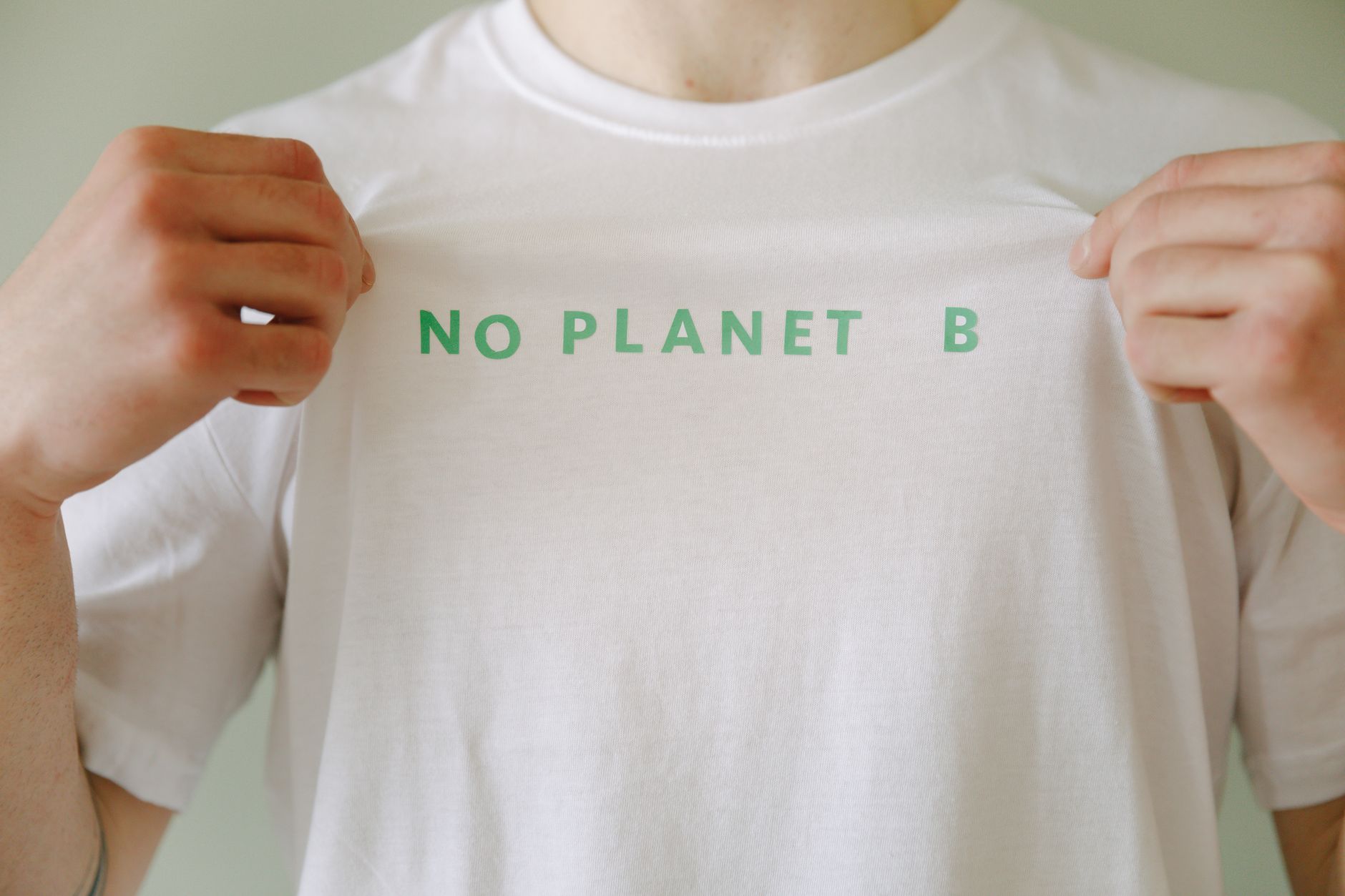
Getting a t-shirt printed with your brand sounds straightforward — until you’re knee-deep in decisions about fabric weights, decoration methods, minimum order quantities, and artwork specifications. Whether you’re an event organiser in Brisbane putting together staff uniforms for a three-day conference, or a Sydney corporate team planning branded merchandise for a product launch, the world of t-shirt and print can feel surprisingly complex. The good news? Once you understand the fundamentals, ordering custom printed t-shirts becomes a streamlined, rewarding process that delivers outstanding results for your brand. This guide covers everything you need to know.
Why Custom T-Shirt Printing Remains One of the Most Powerful Branding Tools
There’s a reason custom t-shirts have remained a cornerstone of branded merchandise for decades. They’re wearable, visible, and universally useful. Unlike a branded pen or keyring that might stay tucked in a drawer, a well-designed t-shirt gets worn out in the world — at trade shows, on the job site, at community events, or simply around the house on a weekend.
For Australian businesses and organisations, the ROI on custom printed t-shirts is hard to beat. Consider a Melbourne retail brand equipping their floor staff in matching branded tees — every customer interaction reinforces brand recognition. Or a Gold Coast event company outfitting volunteers in bold screen-printed shirts that make it easy to spot help in a crowd. The applications are almost limitless.
Beyond simple branding, custom t-shirts build team cohesion. When everyone wears the same shirt, it creates a sense of belonging and professionalism that resonates with both staff and customers alike.
Understanding the Key T-Shirt Print Decoration Methods
Choosing the right decoration method is arguably the most important decision in the t-shirt and print process. Each method has distinct advantages depending on your artwork, order size, fabric type, and budget.
Screen Printing
Screen printing is the industry gold standard for bulk t-shirt orders. Ink is pushed through a mesh screen (one per colour) directly onto the fabric, creating vibrant, durable prints that hold up wash after wash. It’s ideal for designs with flat colours and crisp lines, and the per-unit cost drops significantly when ordering 50 or more pieces. Setup fees apply per colour, so screen printing is most cost-effective for simpler artwork in limited colour palettes.
If you’re ordering for a large corporate event, a trade show, or a school sports day, screen printing is almost always the go-to choice.
Direct-to-Garment (DTG) Printing
DTG printing uses specialised inkjet technology to print directly onto the fabric, much like a desktop printer on paper. It handles full-colour, photographic, and highly detailed artwork with ease. There are no setup fees, which makes it well-suited to smaller orders or one-offs.
The trade-off? DTG works best on 100% cotton fabrics, and the per-unit cost remains relatively high regardless of quantity. For low-volume personalised orders — think 10 shirts for a small team or a custom gift — DTG is an excellent option.
Heat Transfer Printing
Heat transfer involves printing artwork onto a special transfer film and then pressing it onto the garment using heat and pressure. It’s versatile, supports full-colour artwork, and works on a range of fabric types including polyester. Heat transfer is commonly used for sports jerseys, hi-vis workwear, and short-run orders.
It’s worth noting that heat transfer prints can sometimes feel heavier on the fabric compared to screen printing or DTG. For technical or performance wear, this is worth factoring into your decision.
Sublimation Printing
Sublimation is perfect for polyester garments and involves infusing the ink directly into the fabric fibres — meaning the design becomes part of the material itself, not a layer on top. The result is a full-colour, edge-to-edge print that won’t crack, peel, or fade.
Sublimation is popular for sportswear, cycling jerseys, and event uniforms where bold all-over graphics are desired. It doesn’t work on cotton, so fabric selection is critical.
Choosing the Right T-Shirt for Your Print Project
The blank garment you choose is just as important as the decoration method. A great print on a poor-quality shirt will always underdeliver.
Fabric Weight and Quality
T-shirt weight is measured in grams per square metre (GSM). Lighter shirts (around 130–160 GSM) are cooler and more suited to warm climates — important in Queensland, the Northern Territory, and Western Australia where summer heat is intense. Mid-weight shirts (170–190 GSM) offer a more premium feel and tend to print better, with less ink bleed-through.
For corporate gifting and higher-end branded merchandise, it’s worth investing in a quality blank. Cheaper shirts might save a few dollars upfront but can leave recipients with a less-than-impressive impression of your brand.
Cut and Fit
Modern branded apparel has moved well beyond boxy unisex cuts. Fitted, contemporary cuts are now expected, especially in corporate environments. For women’s workwear, a properly fitting polo or fitted tee makes a noticeable difference — you can explore options in our guide to ladies’ polo shirts for more detail on cut and style considerations.
If your team needs performance or technical workwear rather than standard tees, our overview of NNT uniforms and PPI promotion apparel covers professional-grade options suited to various industries.
Artwork Setup: Getting Your Design Print-Ready
Poor artwork is one of the most common causes of delays in the t-shirt and print process. Following best practices from the outset will save you time, money, and frustration.
Vector vs. Raster Files
For screen printing, vector artwork (AI, EPS, or PDF files from Adobe Illustrator) is essential. Vector files are resolution-independent, meaning they can be scaled to any size without losing quality. Raster files (JPEG, PNG, PSD) are pixel-based and often unsuitable for screen printing unless they’re very high resolution (300 DPI or above at print size).
DTG and sublimation printing can work with high-resolution raster files, but vector is always preferable when available.
PMS Colour Matching
For brand-sensitive applications — corporate logos, government identifiers, franchise requirements — PMS (Pantone Matching System) colour specifications ensure your brand colours are reproduced accurately across all garments. Always provide PMS codes if colour consistency is critical to your brief.
Artwork Approval and Proof Process
A reputable supplier will always provide a digital proof before production begins. Review it carefully — check placement, sizing, colours, spelling, and orientation. Never approve a proof in a rush. Once production starts, changes are costly and often impossible.
You can find more detail on photo-ready file preparation in our guide to photo and printing.
Ordering Practicalities: MOQs, Turnarounds, and Budgeting
Minimum Order Quantities
Screen printing typically requires a minimum of 12–25 shirts per design to be viable. DTG has no practical MOQ, making it accessible for very small teams or personalised gifts. Heat transfer and sublimation MOQs vary by supplier but are often in the range of 6–20 pieces.
Always confirm MOQs before briefing, as they directly affect your budget and planning.
Turnaround Times
Standard production for a screen-printed t-shirt order in Australia typically runs 10–15 business days from approved artwork. Rush turnarounds of 5–7 business days are sometimes available, usually with an additional fee. For events with hard deadlines — like the AFL Grand Final season, end-of-financial-year conferences, or product launches — always build in buffer time.
Ordering samples before committing to a full run is highly recommended, especially for new suppliers or complex artwork.
Budgeting for Your T-Shirt Print Order
Pricing depends on garment quality, order quantity, number of print colours, decoration method, and any setup fees. As a rough guide:
- Screen printed tees (50+ units, 1–2 colours): $12–$22 per shirt
- DTG printed tees (10–25 units, full colour): $20–$40 per shirt
- Sublimated sportswear (50+ units): $25–$45 per garment
These are indicative ranges only. Always request a detailed quote that itemises garment costs, decoration, setup fees, freight, and GST.
Pairing T-Shirts with Complementary Branded Merchandise
Custom t-shirts rarely exist in isolation. For events, conferences, and team kits, they’re often part of a broader branded merchandise bundle that extends your brand touchpoints and increases the perceived value of the package.
Some popular pairings for corporate and event merch include:
- Branded drinkware: Metal drinks bottles, printed mugs, and tea infuser bottles are consistently popular additions to branded merch packs.
- Bags and carriers: Personalised cooler bags and trolley bags make excellent accompaniments for outdoor events and team days.
- Stationery and accessories: Promotional pens and printed stickers add affordable but practical touchpoints to any branded bundle.
- Premium gifts: For leadership teams or VIP event guests, consider personalised Australian gifts or branded accessories like personalised key rings and personalised mug sets from Australia.
For sporting clubs, team kits paired with accessories like custom bag tags or even custom TaylorMade golf stand bags can create a premium experience that members genuinely value.
For those wanting to explore corporate branding beyond apparel, our stickers Australia guide offers a great primer on how printed stickers can extend your brand presence cost-effectively.
Conclusion: Key Takeaways for Your T-Shirt and Print Project
Getting the most from your custom t-shirt and print order comes down to preparation, the right product choices, and working with experienced suppliers who understand your brief. Whether you’re outfitting a 10-person Canberra startup or producing 500 event shirts for a Perth conference, the principles remain the same.
Here are the essential takeaways to guide your next order:
- Match your decoration method to your artwork and quantity — screen printing for bulk orders with flat colour logos; DTG for small runs or complex full-colour designs; sublimation for all-over polyester garments.
- Invest in garment quality — the shirt itself is a reflection of your brand, so don’t undercut the result with a cheap blank.
- Prepare print-ready artwork — vector files, correct colour specifications, and clear sizing instructions will save time and prevent costly errors.
- Plan your timeline carefully — allow at least two weeks from artwork approval, more if you’re ordering samples or need rush freight to regional areas.
- Think beyond the shirt — pairing custom tees with complementary branded products creates a more memorable and cohesive brand experience for your audience.
With the right approach, a t-shirt and print project is one of the most effective and enjoyable branding investments your organisation can make.